What is Disability Pride Month?
Every July, Disabled people around the world come together to celebrate our identities, our communities, our achievements, and the progress won through decades of disability rights activism. That celebration has a name: Disability Pride Month.
But what actually is Disability Pride, where did it come from, and why does it land in July? Whether you are Disabled yourself or you want to understand the month properly, this is a chance to listen to Disabled voices, question a few assumptions, and see disability as what it really is: a natural, ordinary part of human diversity.
Here in the UK, we mark it too, alongside our own history of disability rights and our own unfinished fight for genuine access.
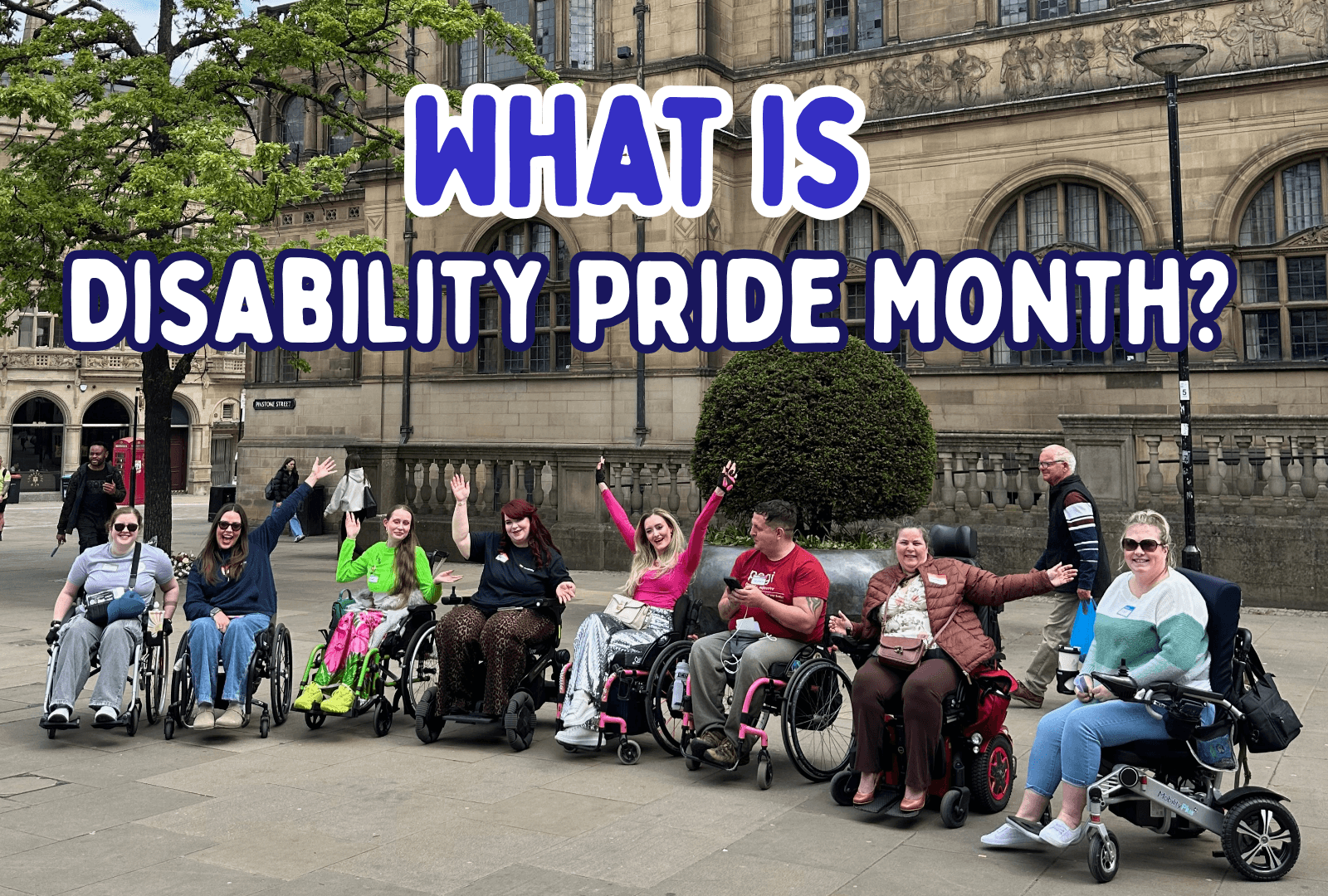
What is Disability Pride Month, really?
Disability Pride Month is not about pretending that being Disabled is always easy. The barriers are real, and pride does not paper over them.
It is about something quieter and more radical than that. It is the recognition that being Disabled is nothing to be ashamed of, and that our lives, our identities, and our contributions have value exactly as they are. It is a collective statement that Disabled people deserve to be seen, valued, respected, and fully included, not in spite of disability, but as Disabled people.
That idea sits on top of a bigger one, and it is worth understanding if you want to know why "pride" is the right word.
Why pride? The social model of disability
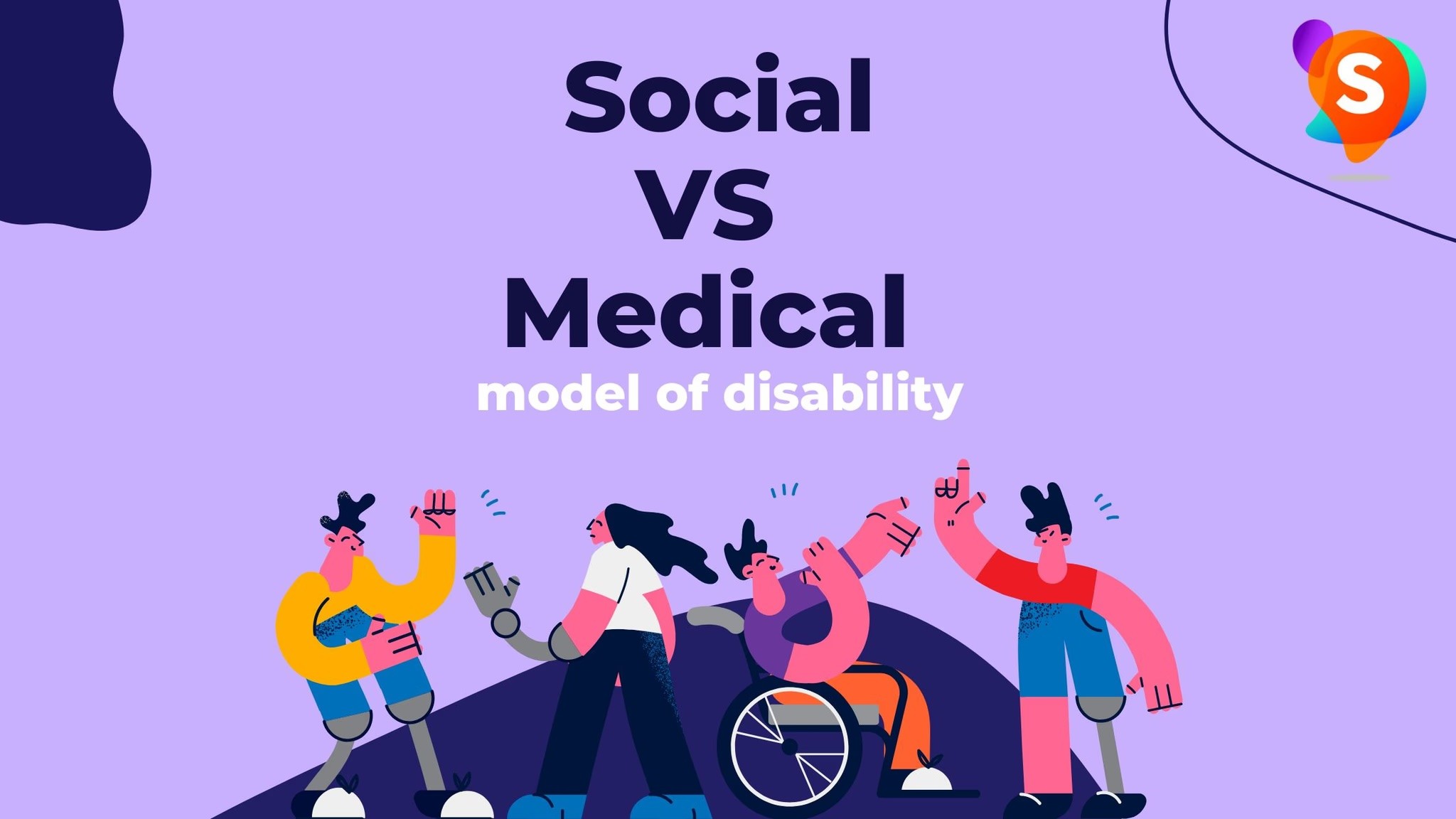
For a long time, the dominant way of thinking about disability was the medical model. It treats disability as a problem located inside a person, something to be fixed, cured, or managed so that the person can fit into the world as it is built.
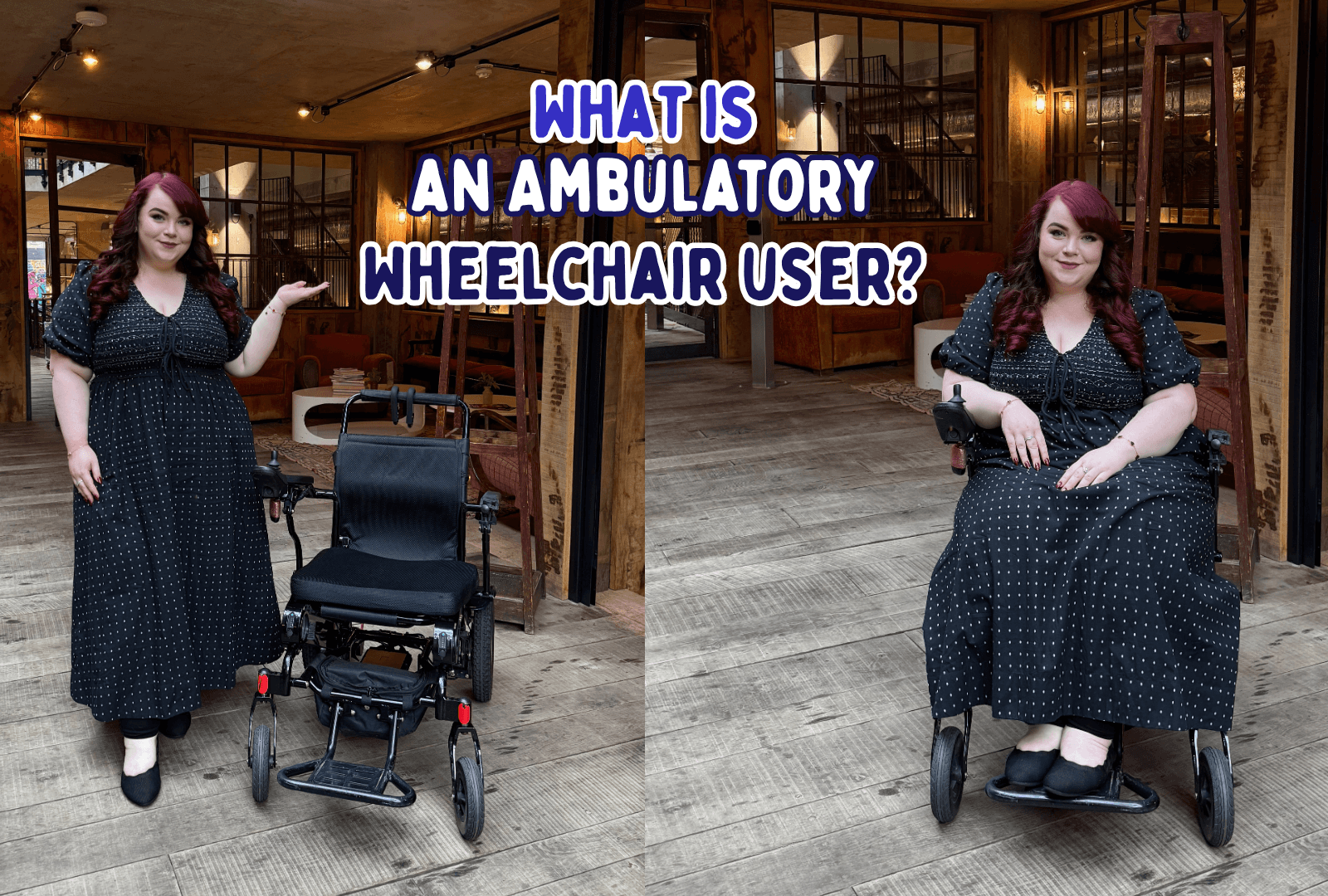
The social model flips that. It says people are disabled not by their bodies or minds, but by a world designed without them in mind. A wheelchair user, whether they use their chair full time or are one of the many ambulatory wheelchair users who can also walk, is not disabled by the chair itself. They are disabled by the step at the entrance, the lift that is out of order, the venue that never published its access information. Change the environment and you remove the barrier.
Once you see it that way, pride makes complete sense. If the problem is the barriers and not the people, then there is nothing about being Disabled to be ashamed of, and a great deal to be proud of. Disability Pride is what happens when a community refuses the old narrative and writes its own.
Where did Disability Pride Month come from?
The story starts with one of the most important pieces of civil rights legislation in modern history.
On 26 July 1990, the Americans with Disabilities Act (ADA) was signed into law in the United States, banning discrimination against Disabled people in employment, transport, public life, and more. It was a landmark moment, and Disabled people marked it.
That same year, the first Disability Pride Day was held in Boston, where more than 400 people marched, wheeled, and moved together to affirm a simple, powerful idea: that far from being a tragedy, disability is a natural part of human experience.
For years, that spirit lived on as occasional parades and local events rather than a fixed observance. It was only in 2015, the 25th anniversary of the ADA, that New York City held its first Disability Pride Parade and July was formally declared Disability Pride Month. From there the idea spread, and Disabled people and allies now mark it across the world.
Why July?
Because the ADA was signed in July, the month became the natural focal point for the global Disability community. Every July, Disabled people and allies come together through parades, local events, and online campaigns to celebrate how far we have come and to keep pushing for the change still needed.
It is worth saying clearly: Disability Pride Month in July is a separate observance from LGBTQ+ Pride Month in June. Each has its own history, its own community, and its own meaning.
What about the UK?
Disability Pride Month grew out of American legislation, but the reasons to mark it are just as relevant here.
The UK has its own legal history. The Disability Discrimination Act 1995 was the first law of its kind in Britain to make disability discrimination unlawful. It was later replaced by the Equality Act 2010, which remains the main legislation protecting Disabled people from discrimination in work, services, education, and public life today.
Law is only ever part of the picture, though. The Equality Act sets a floor, not a ceiling, and plenty of everyday barriers still go unchallenged. Disability Rights UK is now campaigning for a new Accessibility Act to sit alongside the Equality Act 2010, arguing that current equality law relies too heavily on individual Disabled people challenging one barrier at a time, one place at a time, rather than requiring environments to be made accessible by design from the outset.
Their proposal would not replace the Equality Act but complement it, pushing for proactive planning, clear timelines, and independent monitoring so that accessibility is built in rather than fought for case by case. This ongoing campaign to reform the law, shifting the burden away from Disabled individuals and onto society, shows exactly why Disability Pride remains so vital.
It is a reminder that genuine inclusion goes far beyond mere legal compliance.
The Disability Pride Flag and what it means
If you have seen Disability Pride content online, you have probably seen the flag: a charcoal background crossed by five diagonal stripes in muted red, gold, white, blue, and green.
It was created by Disabled writer and activist Ann Magill, who released it into the public domain so anyone could use it freely. When we look at the flag through the lens of the social model, the stripes represent the vast diversity of human minds and bodies, and the shared solidarity of navigating a world not built for us:
Charcoal background: Mourning and anger for Disabled people who have lost their lives to ableist violence, neglect, and systemic barriers to care.
Diagonal band: A collective pushback, cutting across the physical and societal barriers that Disabled people navigate every day.
Red: Navigating physical and mobility barriers.
Gold: Neurodivergence and cognitive differences, challenging a world built for a singular "typical" mind.
White: Invisible and undiagnosed conditions, where the barrier is often a lack of belief or social recognition.
Blue: Psychiatric and mental health conditions, and the shared struggle against social stigma and institutional barriers.
Green: Sensory differences, highlighting how environments fail to accommodate diverse ways of perceiving the world.
Rather than sorting people into rigid medical categories, the flag is best understood as a whole. It recognises that many of us sit across several stripes at once, experiencing overlapping barriers. The true power of the symbol lies in how it gathers the full diversity of Disabled experiences under a single banner of solidarity, proving that our varied perspectives are a strength, not a deficit.
There is a lovely detail in the flag's history that says everything about this community. Magill's original design used bright colours and a zigzag pattern, but Disabled people pointed out that it created a strobe effect on screens that could trigger migraines and seizures. So in 2021 she redesigned it with muted tones and straight stripes, working with the community to make the flag itself accessible. The symbol of Disability Pride was, fittingly, made better by listening to Disabled people.
How to carry the spirit of Disability Pride forward
Disability Pride is not only a celebration. It is also an invitation to make the world more accessible, and that is something everyone can act on.
One of the most practical things you can do sits right at the heart of why Sociability exists: closing the access information gap. For many Disabled people, the fear of an "access fail," turning up somewhere only to find a step at the door or no accessible toilet, is enough to keep them at home. When verified access information exists, that fear disappears and the choice comes back.
You can help build that information. Using the Sociability app, you can map the venues you visit, noting whether there is step-free entry, an accessible toilet, or clear space to move around. It takes seconds, and it directly helps another Disabled person visit that café, bar, or restaurant with confidence rather than crossing their fingers.
If you want to go further and build allyship into the rest of your year, not just July, read our companion guide: How to be a Disability Ally All Year Round. It goes deeper on challenging assumptions, addressing internalised ableism, and speaking up when access is treated as an afterthought.
Frequently asked questions
When is Disability Pride Month?
Disability Pride Month is marked every July. The month was chosen to coincide with the anniversary of the Americans with Disabilities Act, which was signed into law on 26 July 1990.
What is the purpose of Disability Pride Month?
It celebrates the identity, culture, and achievements of the Disabled community, and reframes disability as a natural part of human diversity rather than something to fix or pity. It also challenges ableism, amplifies Disabled voices, and pushes for a more accessible world.
What is the Disability Pride Flag?
The Disability Pride Flag has a charcoal background crossed by five diagonal stripes in muted red, gold, white, blue, and green. The colours represent the vast diversity of human minds and bodies, highlighting our shared solidarity in navigating a world full of physical, environmental, and societal barriers. It was designed by Disabled activist Ann Magill and updated in 2021 to be more accessible for people with visually triggered conditions.
Is Disability Pride Month the same as Pride Month?
No. LGBTQ+ Pride Month takes place in June, and Disability Pride Month takes place in July. They are separate observances, each with its own history and community.
How can businesses mark Disability Pride Month?
The most meaningful action is to look honestly at your own accessibility, both physical and digital, and to treat access as a year-round priority rather than a one-month gesture. That can mean auditing your venue or website, adding captions and alt text to your content, publishing clear access information, and amplifying Disabled employees and creators.
Find your next accessible space
The best way to honour Disability Pride Month is to make access ordinary. Download the Sociability app to find venues with verified accessibility information that match your needs, and to map the places you visit so the next Disabled person does not have to wonder whether they will get through the door.

Georgina Grogan
Georgina is the Community Engagement Officer at Sociability. Bringing 12 years of lived experience as a Disabled content creator, she handles SEO and blog writing to successfully build and engage our community