Have you ever used your elbow to hit a push-button door because your hands were full of shopping? Or watched a video on a noisy train with captions turned on?
If so, you have experienced the Curb-Cut Effect.
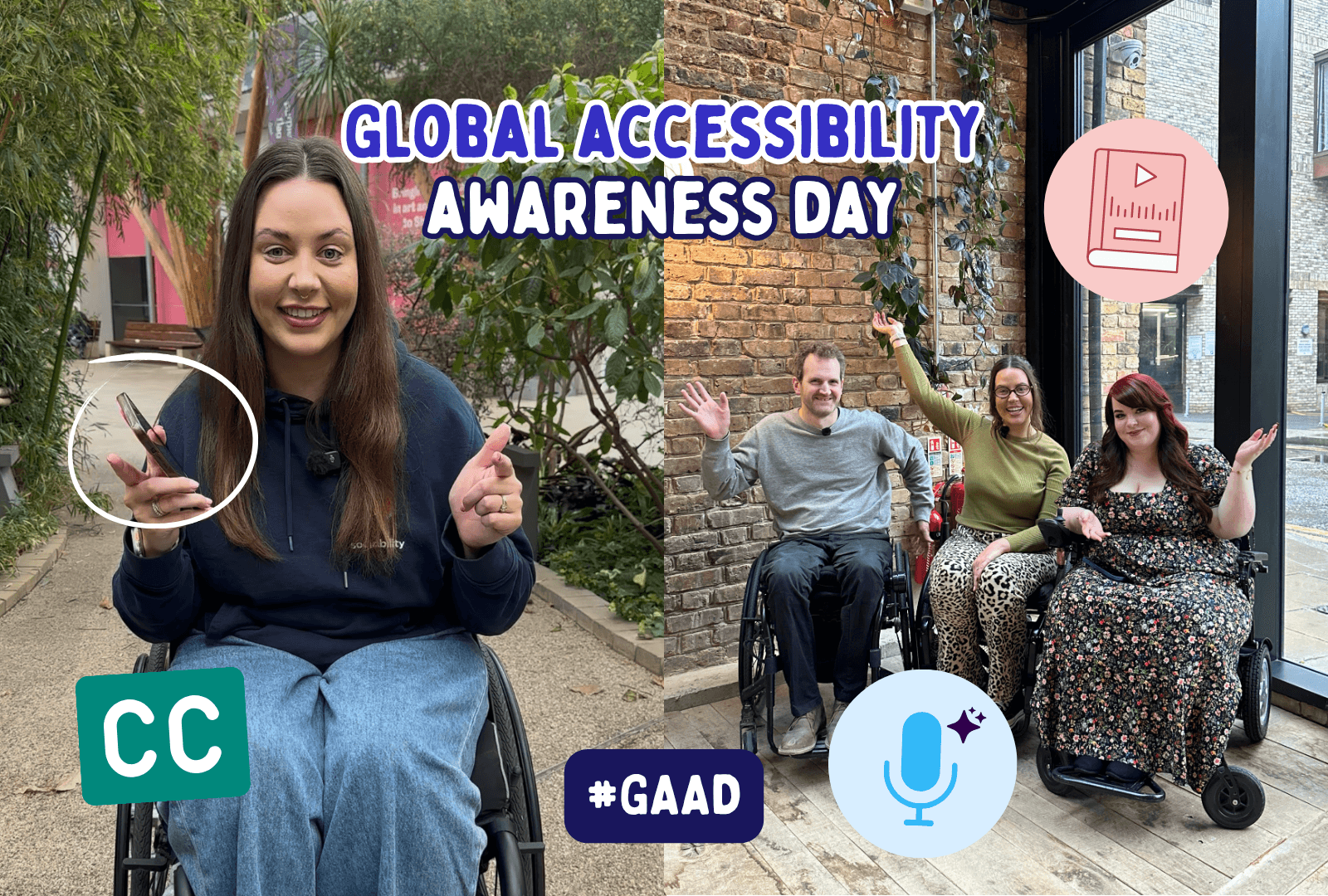
Global Accessibility Awareness Day (GAAD) takes place on Thursday 21 May 2026, marking the 15th annual celebration of digital accessibility and inclusion. It is a day to recognise the one billion Disabled people worldwide, and to acknowledge a truth that often goes unspoken: Disabled people are the silent drivers behind some of the world's most popular technology.
From captions to voice control, dark mode to audiobooks, features originally designed for Disabled people now make everyday life easier for everyone.
Understanding Global Accessibility Awareness Day (GAAD)
Founded in 2011 by Joe Devon and Jennison Asuncion, GAAD was created to get the tech world, including developers, designers, and innovators, talking about digital inclusion.
With over one billion Disabled people worldwide, the internet should not be a place of barriers. Digital accessibility means ensuring that everyone, can independently use websites, mobile apps, and software.
At Sociability, we see accessibility as a fundamental human right, not a nice-to-have, it's the foundation of everyday social life. Whether someone is looking for a wheelchair-accessible café in the UK or a website they can navigate with a screen reader, the goal is the same: a world without barriers.
What is the Curb-Cut Effect?
The Curb-Cut Effect is a phenomenon where features originally designed for Disabled people end up benefiting everyone.
The term comes from the dropped curbs (or "curb cuts") that became widespread in the United States after Disabled activists campaigned for accessible streets in the 1970s. Once installed, curb cuts turned out to help far more people than just wheelchair users, parents with prams, delivery workers with trolleys, cyclists, suitcase-pulling travellers, and anyone with a temporary injury.
The same pattern repeats throughout history. When accessibility is built in from the start, the benefits ripple outwards.
This is why inclusive design isn't a niche concern. It's a smarter, broader approach to building a world that works for everyone.
So in honour of GAAD 2026, here are seven everyday features that exist because Disabled people pushed for them first.
7 Everyday Features Designed by Disabled People
You might be surprised to learn that some of your most-used smartphone features were not originally built for the mass market. They were built to support digital inclusion for Disabled people.
1. Captions (Closed Captioning)
The History: Captions were not a "feature" until the 1970s. After decades of campaigning by Deaf activists, the first captioned television shows aired in 1972 (starting with The French Chef). It took years of engineering to make them "closed", meaning they could be turned on or off by the viewer.
The Benefit for All: Today, captions are used by almost everyone. Whether you are scrolling social media in a quiet library or follow a plot in a noisy cafe, captions help us all process information.
2. Audiobooks
The History: The "Talking Book" program was established in 1931 by the American Foundation for the Blind. It was designed to help veterans injured in World War I access literature long before the invention of the cassette tape.
The Benefit for All: Now, audiobooks are the ultimate commute hack, allowing millions to "read" while driving, doing chores, or exercising.
3. Voice Control and Virtual Assistants
The History: The real push for voice recognition came from the need for hands-free computing. In the 1990s, programs like Dragon NaturallySpeaking were revolutionary for people with motor or mobility impairments who could not use a traditional keyboard.
The Benefit for All: From setting a kitchen timer to sending a text while driving, voice control is an essential part of modern multitasking.
4. Predictive Text
The History: Early versions of predictive text were patented in the 1980s. They were originally built to help Deaf users communicate over telephone lines (TTY) using a typewriter-style interface, long before the first SMS message was ever sent.
The Benefit for All: This is the reason you can send a fast text with one hand while holding a coffee. It is a classic example of Disabled-led innovation saving time for everyone.
5. Dark Mode
The History: Modern "Dark Mode" was popularised as a tool for people with light sensitivity (photophobia) and visual impairments who found bright white screens painful to read.
The Benefit for All: It is now the preferred setting for millions to reduce eye strain and save battery life.
6. Text-to-Speech (TTS)
The History: In 1976, Ray Kurzweil released the first "reading machine" for Blind people. It was a massive piece of hardware that used a scanner to read any printed book aloud, a feat that once seemed like science fiction.
The Benefit for All: Today, we use this inclusive design to listen to long articles or to help us proofread our own writing.
7. Speech-to-Text and Voice Notes
The History: Early speech-to-text systems were developed to assist people with motor impairments who could not type, allowing them to dictate everything from emails to university essays.
The Benefit for All: Busy parents and professionals on the go now use voice notes as their primary way of staying in touch.
Why Inclusive Design Matters
Despite these innovations, the digital world has a long way to go. Global Accessibility Awareness Day is a reminder to businesses that accessibility isn't about charity; it is about better design. When you design for the margins, you improve the experience for the middle.
From Awareness to Action
Accessibility starts with awareness, but it thrives on action. The Curb-Cut Effect is a reminder that accessibility isn't a niche concern, it's a foundation. Every feature we have explored began because Disabled people refused to accept a world that excluded them.
There is still a long way to go.
Most websites still fail basic accessibility standards. Most venues still don't share clear accessibility information. Most workplaces still treat accessibility as compliance rather than design.
This GAAD, take one step.
For individuals: Download the Sociability app to discover, plan and share accessibility information for venues across the UK. Every venue mapped helps another Disabled person plan with confidence.
For businesses and workplaces: Accessibility isn't just the right thing, it's a competitive advantage. Speak to our business team about making your venue, office or platform genuinely accessible, with clear information that staff, visitors and customers can rely on.
For everyone: Subscribe to Beyond Compliance, our newsletter exploring accessibility, inclusion, and the work still ahead.
And the simplest action of all: share this post. The more people who understand the Curb-Cut Effect, the more people who'll start asking "who else could this work for?" when they design anything new.
Frequently Asked Questions on GAAD (FAQ)
What is the purpose of Global Accessibility Awareness Day?
The purpose of GAAD is to get people talking, thinking, and learning about digital access and inclusion for the one billion Disabled people worldwide.
When is Global Accessibility Awareness Day 2026?
GAAD is held on the third Thursday of May every year. In 2026, this is Thursday 21 May.
What is the Curb-Cut Effect?
The Curb-Cut Effect is when a feature designed for a specific group of Disabled people ends up benefiting a much larger population. Common examples include ramps, captions, and automatic doors.
What is digital accessibility?
Digital accessibility refers to the practice of building websites, apps, and documents so that they can be used by everyone, including people with vision, hearing, motor, or cognitive impairments.
Why is accessibility important for businesses?
Beyond being a legal requirement in many regions, accessibility expands your audience, improves SEO, and often leads to a better overall user experience for all customers.
How can I help make the world more accessible?
You can start by adding alt-text to your images, using captions on your videos, and contributing to accessibility apps like Sociability to help others find wheelchair-friendly venues.
How can businesses improve their accessibility for GAAD?
Beyond digital accessibility, businesses can review their physical accessibility, train staff on disability etiquette, and share accessibility information openly. Tools like Sociability help businesses publish detailed accessibility information so Disabled customers can plan visits with confidence.
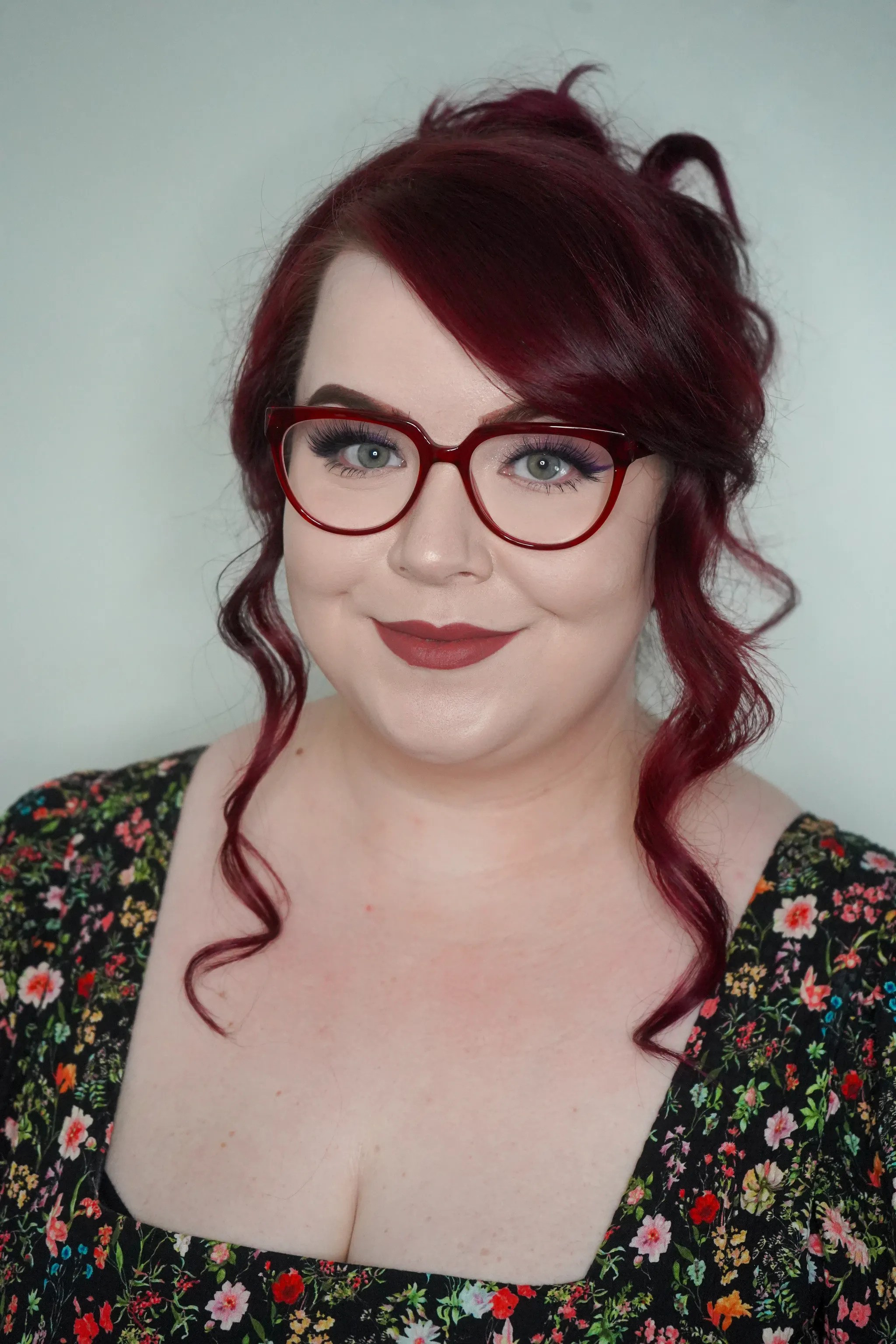
Georgina Grogan
Georgina is the Community Engagement Officer at Sociability. Bringing 12 years of lived experience as a Disabled content creator, she handles SEO and blog writing to successfully build and engage our community