
Disability Pride Month, celebrated every July, is a vital time for reflection and celebration. It originated in the United States in 1990 following the passage of the Americans with Disabilities Act (ADA), a landmark piece of legislation designed to protect the rights of disabled people. For many in our community, July is an opportunity to challenge negative misconceptions and highlight the various barriers that persist in our society.
However, being a true Disability Ally is not limited to a single month on the calendar. It is an ongoing commitment that requires consistent awareness, empathy, and, most importantly, action. To move beyond performative support, we asked the disabled community for three essential tips on how to practice active allyship every day of the year.
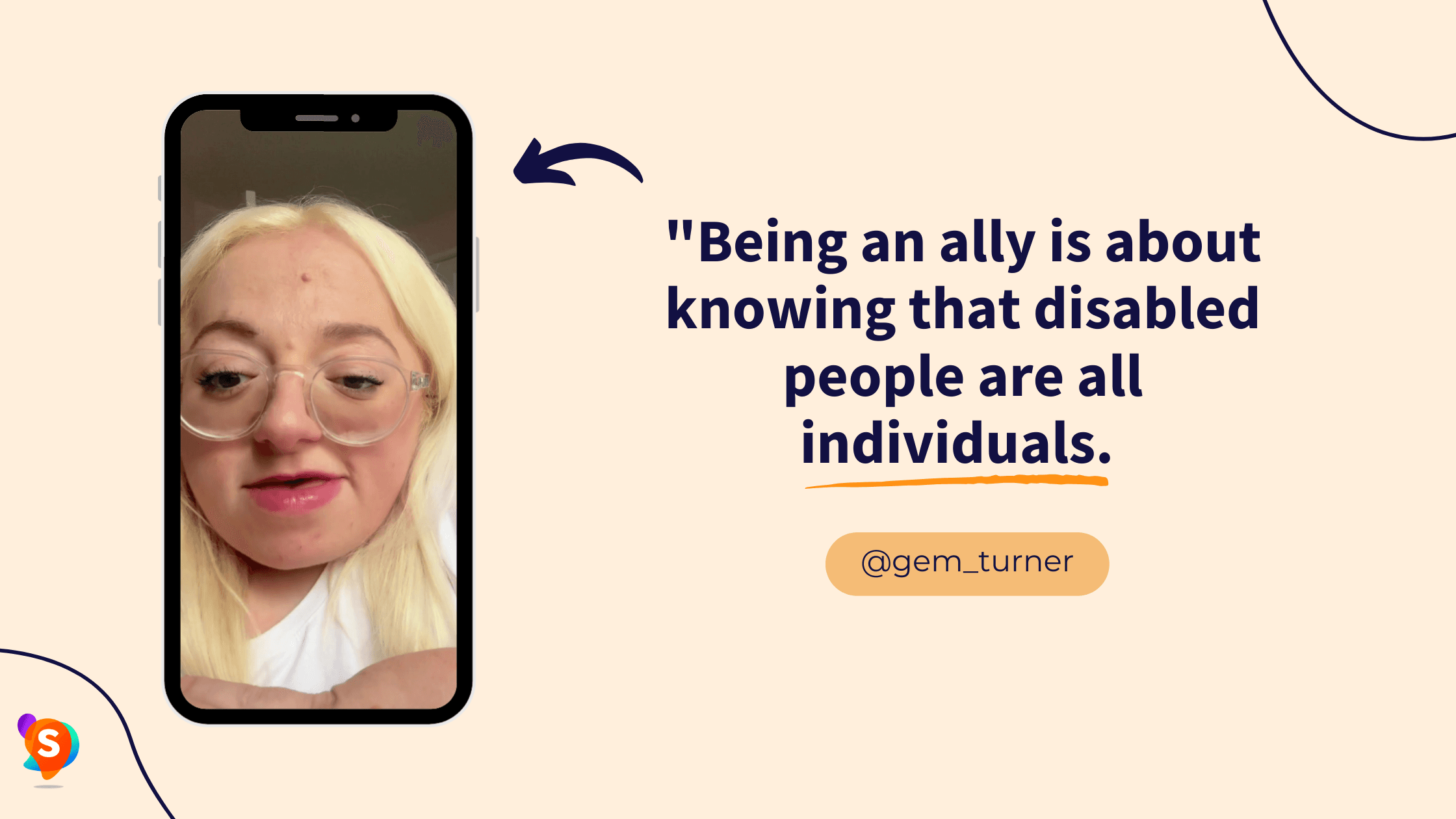
1. Recognise That Disabled People are Individuals
It is a common mistake to view disabled individuals as one large, homogenous group. In reality, we are a diverse collection of people with vastly different preferences, experiences, and identities. While it is essential to be empathetic, an effective Disability Ally must avoid the trap of assuming they know what is best for someone based on their disability.
Just because you know one person's specific condition and their personal preferences, it does not mean those feelings can be applied as a blanket opinion for everyone else. Every person's intersectionality, from their age and race to their socio-economic background, shapes how they experience their disability.
How to practice this:
Treat each person with the same consideration you would give to anyone else. Instead of making an executive decision about where to go for dinner or how to set up a meeting, ask for their input. This includes asking about specific accessibility needs and preferences.
Be mindful of the language you use and avoid generalising. Most importantly, never speak on behalf of the community unless you have been explicitly asked to do so. True allyship is about amplification, not replacement.
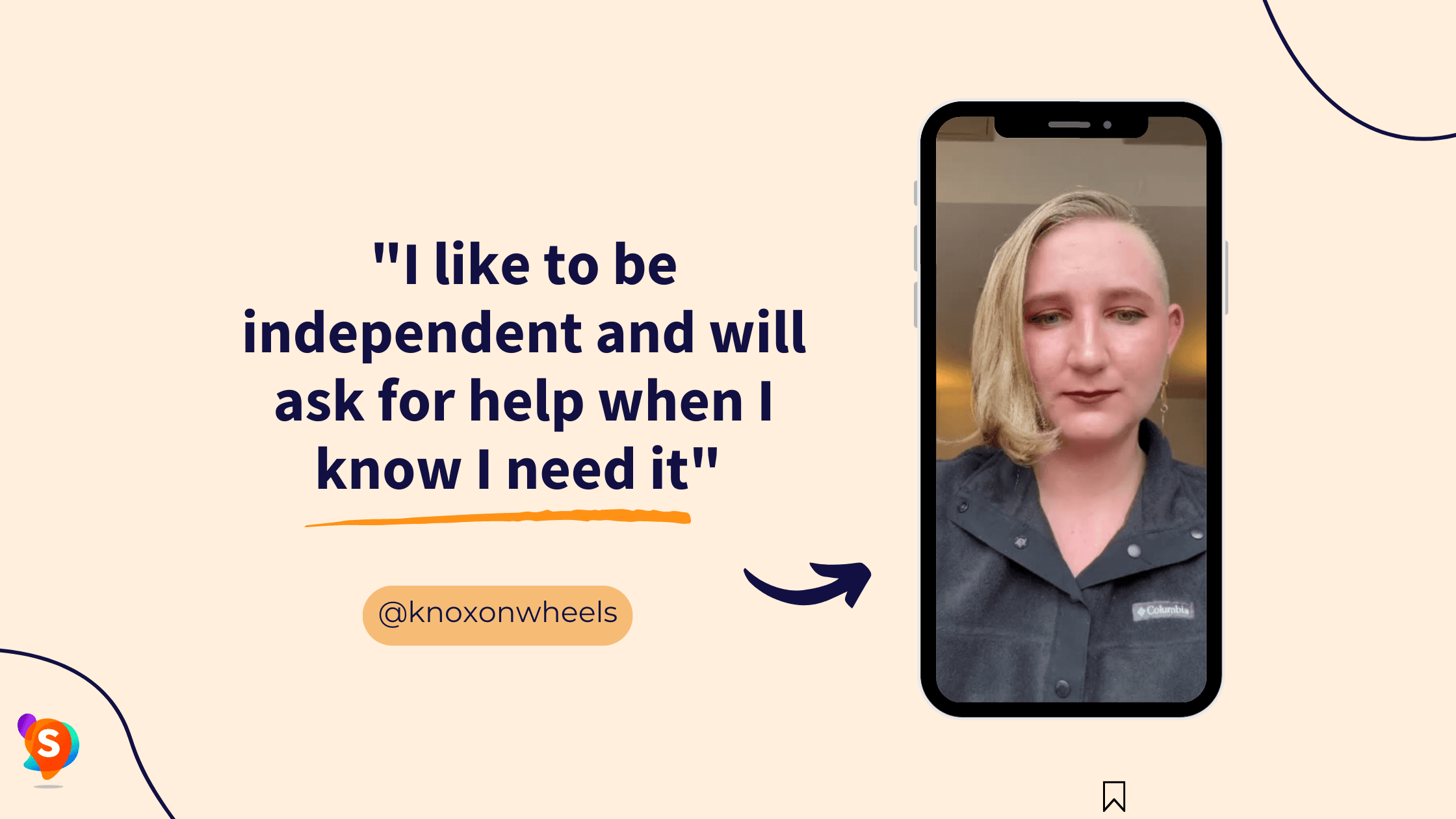
2. Challenge Your Assumptions
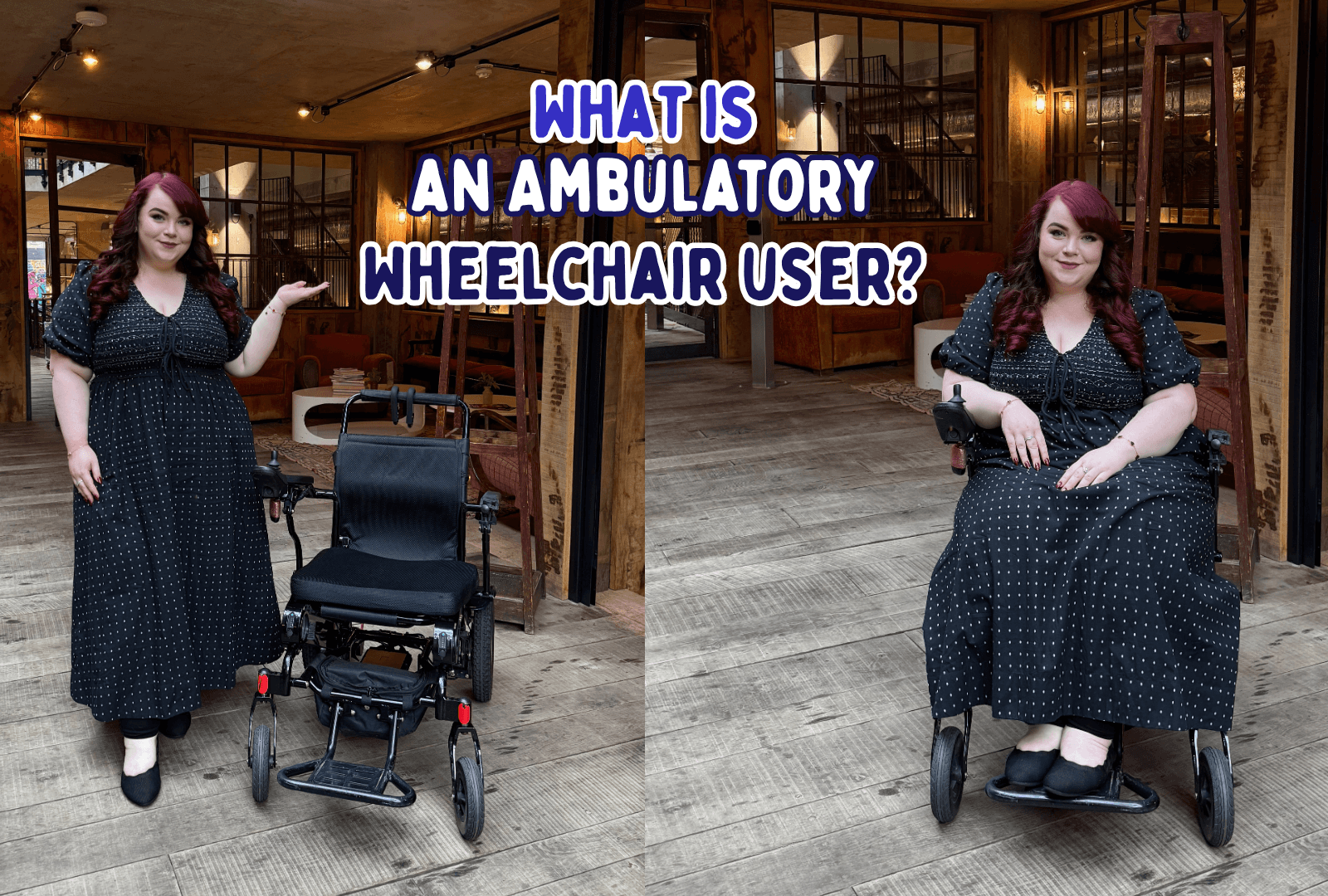
One of the most frequent hurdles disabled people face is the weight of other people's assumptions. These assumptions are often based on a person's outward appearance or the presence of a mobility aid, but disability is broad. It includes both visible and non-visible conditions, and each person's experience is entirely unique.
Society often feeds us two conflicting and equally exhausting narratives. On one hand, the media often portrays disabled people as objects of pity, a group we should feel sorry for. On the other hand, we are frequently labelled as "superheroes" or "inspirations" for simply performing basic, daily tasks. Both of these extremes are dehumanising.
How to practice this:
Practice active listening and open communication. Instead of assuming someone needs help with a door or a bag, ask first. If the answer is no, respect that autonomy. Provide space for disabled people to lead the conversation about their disability, if they choose to share it at all. By fostering an honest dialogue, you can build genuine connections and avoid unintentionally perpetuating harmful stereotypes that keep disabled people in a "box."
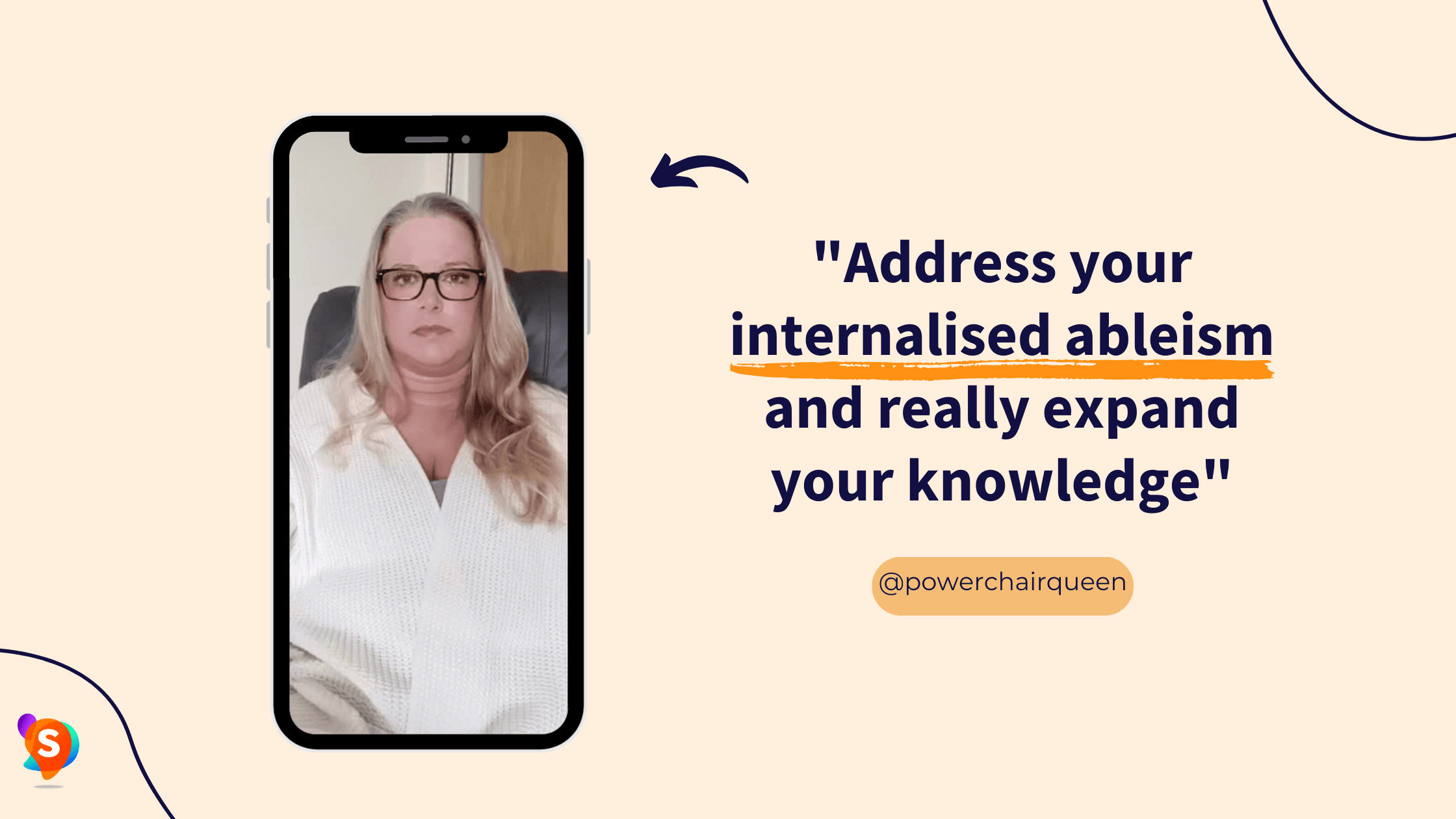
3. Address Internalised Ableism
Ableism is discrimination or prejudice against disabled people, and it often stems from deeply rooted internalised beliefs. This might manifest as failing to consider accessibility when planning an event, or feeling "uncomfortable" when disability is discussed openly. To be a better Disability Ally, you must confront and address these biases within yourself.
Reflect on your own attitudes. Do you find yourself focusing solely on what a disabled person "cannot" do? Or do you recognise the talents, skills, and immense capabilities they bring to the table? Moving towards an equitable society requires us to dismantle the idea that a "standard" body or mind is the only one of value.
How to practice this:
Promote inclusion by acknowledging the contributions of disabled individuals in all aspects of life, from the workplace to the arts. Educate yourself on the history of disability rights and follow disabled creators who speak on these issues. Recognising and working to dismantle your own internalised ableism is a lifelong process, but it is the most effective way to create a supportive environment for everyone.
Practical Allyship: Using Your Voice and Tools
Allyship is not just a feeling; it is a set of actions. One of the most practical ways you can support the disabled community in 2026 is by helping to close the "information gap" that limits mobility and freedom.
Contributing to Detailed Access Information
For many disabled people, the fear of an "access fail" keeps them at home. You can be a fantastic Disability Ally by using the Sociability app to tag the venues you visit. If you are at a local café, take ten seconds to check if there is a level entrance or an accessible toilet. By providing this detailed access information, you are directly empowering a disabled person to visit that space with confidence. You are essentially doing the "reconnaissance" work that allows someone else to feel safe.
Advocating in the Workplace
If you are in a meeting and notice there is no closed captioning, or if you are planning an office party at a venue with three steps at the entrance, speak up. You do not need to wait for a disabled colleague to point out the barrier. Taking the lead on accessibility issues shows that you value inclusion as a standard, not just as a special request.
FAQ: Becoming a Better Disability Ally
1. Is it okay to ask someone about their disability?
Generally, it is better to wait for the person to bring it up. If you need to know for practical reasons, such as planning a trip, keep your questions focused on their access needs rather than the medical cause. Focus on "What do you need?" rather than "What happened to you?"
2. What is "Identity-First" vs "Person-First" language?
"Person-first" language (e.g., "person with a disability") was long considered the standard, but many people now prefer "identity-first" language (e.g., "disabled person"). This is because they see their disability as a core part of their identity. When in doubt, mirror the language the individual uses for themselves.
3. How can the Sociability app help me be an ally?
The app relies on community data. As a Disability Ally, you can "map" your local area. By adding photos of entrances and bathroom layouts, you provide the detailed access information that helps others navigate the world. It is one of the easiest and most impactful ways to contribute to disability inclusion.
4. What should I do if I make a mistake or say something ableist?
Apologise sincerely, learn from the mistake, and move on. Do not make the apology about your own feelings or force the disabled person to comfort you. The best way to show you are sorry is to change your behaviour in the future.
Allyship is a Verb
Being a Disability Ally goes far beyond celebrating for one month of the year. It requires a daily commitment to understanding, empathy, and tangible action. We hope that society can carry the spirit of Disability Pride beyond July, advocating for awareness, representation, and total accessibility in every season.
We would love to hear your thoughts on this post.
Planning a trip? Download the Sociability app to find accessible cafés, bars, and restaurants that meet your specific needs in seconds. You can also join our community and follow us on Instagram for the latest inclusive spots!
To take your advocacy further, sign up for our free newsletter, Beyond Compliance. We provide practical tips to help you champion accessibility in your workplace and everyday life. We look forward to seeing you there!
Sociability
Sociability is a disability-led social enterprise dedicated to making the world more accessible through accurate, verified data. Our team combines lived experience with technical expertise to help individuals and organisations navigate and improve accessibility information across the UK.