Interview: How Grosvenor uses inclusive design to future-proof its property portfolio
•

by
Kalli Dockrill

There’s a common misconception that heritage buildings and inclusion don’t mix. Grosvenor, one of Sociability’s longest standing clients, has been combatting that notion since Day 1. As a property management company, creating places where people and businesses can thrive is at the heart of Grosvenor’s purpose. Inclusive design is fundamental to delivering on that ambition.
In 2022, Grosvenor launched its People Positive strategy, committing to ensuring buildings and public spaces are accessible and inclusive for people with a wide range of needs. But for a global property leader with a significant heritage portfolio, turning that ambition into reality requires more than good intentions. It requires data, collaboration and a clear commercial case.
To learn how they are bridging the gap between historical architecture and modern inclusion, we spoke with Helen Davies, Sustainability Manager at Grosvenor about their Inclusive Places and Spaces report.
See the full Grosvenor Estate x Sociability - Mayfair and Belgravia Accessibility Guide.

How did inclusive design first emerge as a focus area for Grosvenor?
Great places work for everyone. They enable people to feel welcome, safe and able to participate fully in work and community life.
Inclusive design emerged as a focus area for us in 2022, which is when we launched our People Positive strategy, which aimed to increase wellbeing across our properties and places. This coincided with the formation of our employee (dis)Ability Network, which highlighted where lived experience wasn’t always reflected in the design and management of our places.
While we wanted to better incorporate lived experience into the design of our properties, when we investigated further we discovered both a surprising lack of existing guidance and a significant groundswell of parties looking into it. Interested organisations included occupiers, architects and industry groups like RIBA and RICS.
It was clear to us that there was an opportunity here to become a market leader and establish best practice. So, in 2024 we organised an industry working group with The Crown Estate to better understand challenges and opportunities across the sector.
What were your key findings from that working group?
The working group led to our Inclusive Places and Spaces Report, which identified 5 key commitments to improve inclusive design across our portfolio:
Listening to lived experience
Measuring levels of inclusion
Communicating
Exceeding building regulations
Collaborating and educating
We’d already been quite good at incorporating inclusive design into new developments, but the report highlighted the importance of improving accessibility in our existing buildings. That’s why measuring accessibility across our existing sites became a top priority for 2025. To make the case for improving those buildings we needed to have an evidence base that could inform future investment and action.
There’s often a perception that accessibility is “the right thing to do” but hard to justify commercially. How did you frame inclusive design as a commercial consideration?
Real estate can only succeed when it remains relevant to the widest possible market over time. In that way, designing for inclusion helps protect income, asset value and resilience for our business. We are increasingly seeing accessibility and inclusion become a baseline expectation for best-in-class offices, much like environmental performance has over the last decade.
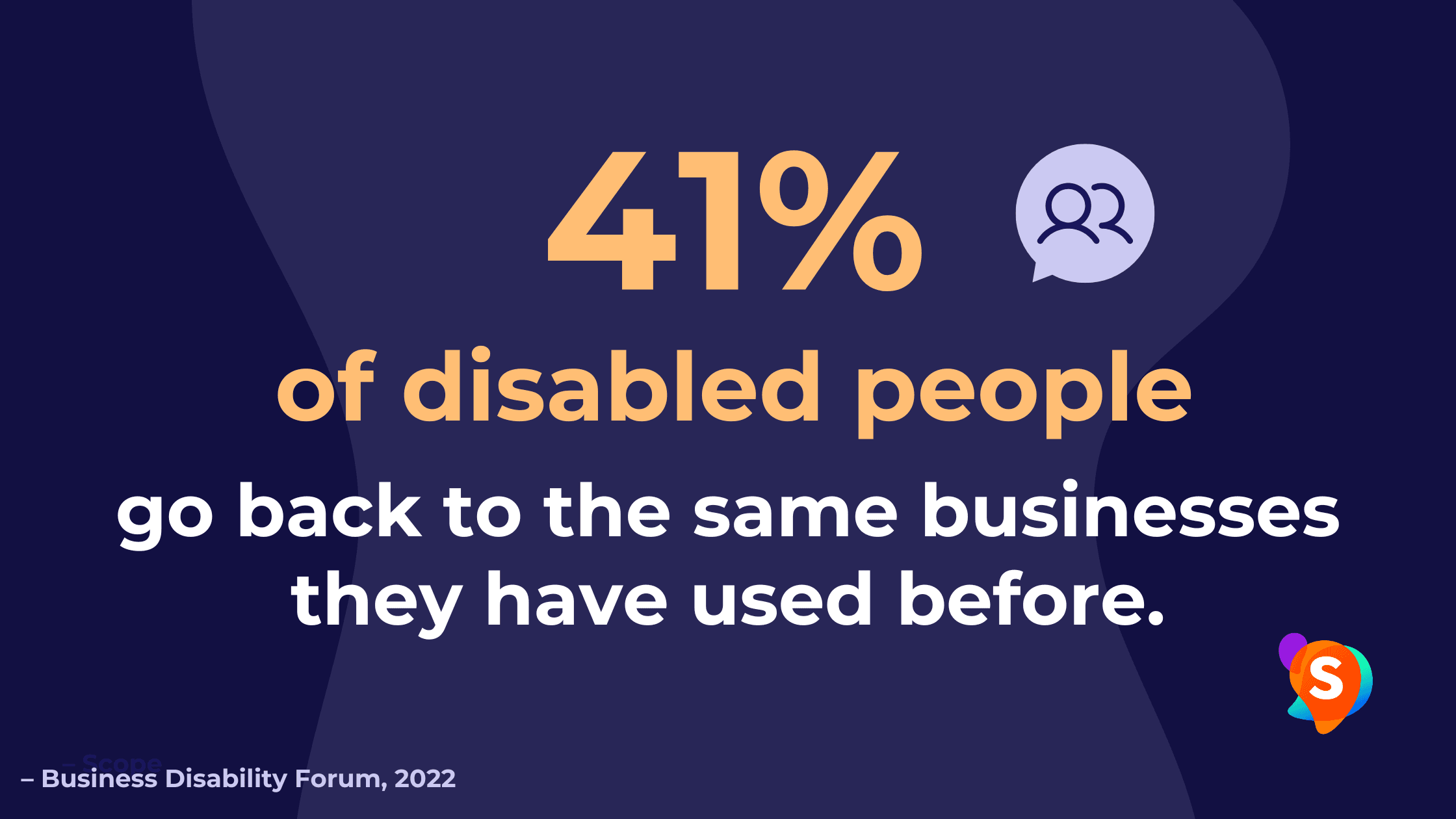
For our tenants who operate retail and hospitality businesses the commercial benefit is even clearer. Research shows that 70% of Disabled people will not return to a business after a poor experience. Getting accessibility right directly supports customer loyalty and footfall, tapping into the £446 billion ‘Purple Pound’ spending power of Disabled people and their households in the UK.
Acting early also makes clear financial sense. Integrating inclusive design at the outset of a development or refurbishment is significantly more cost-effective than retrofitting later in response to tenant demand, reputational risk or regulatory change.
It is not an add-on; it is part of future-proofing our portfolio.
Measuring accessibility across a complex, heritage portfolio sounds challenging. How did you approach it?
At the time, there wasn’t anything available that could measure levels of accessibility and inclusion across all the types of places we managed - which ranged from offices, to hospitality, retail and public spaces. Working with Motionspot we co-created a measurement tool and built an Assessment Framework to address this. Motionspot then ran onsite audits asking more than 200 structured questions across key themes.
With such a large portfolio, it was important to balance efficiency with depth and breadth. Rather than assessing every building straight away, the audits focused on a representative sample, selecting buildings to cover the different types of places in our portfolio.
We also prioritised parts of buildings with the greatest potential for change - such as common areas, entrances and exits. We wanted to ensure that any change identified could actually be implemented and would impact the greatest number of people using the space.
Based on the audits we were able to zoom out and get a strong understanding of what accessibility looked like across our portfolio. We knew where we were and could plan clearly how to improve.
There’s a common narrative that heritage buildings are “inherently inaccessible”, which can stop Disabled customers from visiting those spaces. How is Grosvenor challenging this and ensuring commercial value by communicating accessibility more clearly?
It is a common misconception that improving accessibility in heritage buildings always requires major structural changes. While we are committed to making physical improvements where possible, we also recognise that accessibility is as much about information as it is about infrastructure. As I mentioned before, our working group pulled out Communicating as a key pillar.
For many people, the biggest barrier is uncertainty. If someone doesn’t know what to expect before they arrive, they are far less likely to visit or engage with a space.
That’s one of the reasons we are working with Sociability to map and communicate accessibility information across parts of our portfolio. By providing clear, accurate and transparent information about accessibility features, visitors can understand what to expect ahead of time and make informed decisions about whether a space works for them.
For heritage buildings in particular, this approach is powerful. Even where there are historical constraints, being open about accessibility allows us to remove uncertainty and increase confidence for visitors. It helps demonstrate that heritage and inclusion are not mutually exclusive, and ensures these spaces remain welcoming and relevant to the widest possible audience.
If you could give an organisation just starting on this journey three key pieces of advice, what would they be?
Anchor accessibility into existing priorities. Whether that’s social impact, customer success or long-term asset value, it’s much easier to get senior buy-in early on when you clearly demonstrate how it supports your organisation’s goals.
Measure what you have. You don’t need perfect data, but you do need a credible understanding of your current position and where the biggest barriers and opportunities are.
Take a long-term, pragmatic view. Inclusive design isn’t a one-off project. It’s about embedding better decisions over time.
This interview was published as part of our Beyond Compliance newsletter. If you want more insights from EDI and accessibility leaders who have successfully implemented change in their organisations, subscribe here.
If you’re interested in learning how Sociability can help your organisation measure and improve accessibility across your portfolio, book a discovery call with us to start the conversation.
Kalli Dockrill
Kalli is the Commercial Operations Manager at Sociability, working closely with our clients and partners to help them get the most from the platform. She also has an MSc Gender from the LSE and a brings a research-led intersectional perspective to ensure technology effectively supports diverse user needs.