How to Find Pram-Friendly and Accessible Places as a New Parent
•

by
Georgina Grogan

Since becoming a dad, our CEO and founder, Matt Pierri, has noticed a pattern.
The conversations he is having with new parents keep coming back to the same problem: accessibility.
A pavement that tips a pram sideways. A missing dropped kerb that turns a five-minute walk into a long diversion. A shop aisle too narrow for a pushchair. Wheelie bins, A-boards and parked cars blocking the pavement entirely, which is exactly why we run our #ClearTheKerb campaign.
For many new parents, these barriers are a shock. For Disabled people, they are all too familiar.
Matt is a full-time wheelchair user, and Sociability exists because Disabled people should not have to guess whether they can get into a place, move around safely, or use the facilities once they are there.
Having a baby does not make you Disabled, and using a pram is not the same as using a wheelchair. But moving through the world with wheels, often for the first time, can make parents suddenly notice how many places, streets and public spaces are still not designed with access in mind.
That matters, because better access information helps people make decisions before they leave the house.
And for Disabled people, that information is not just useful. It is essential.
“Since becoming a dad, I’ve had so many conversations with new parents who are suddenly noticing steps, narrow spaces, blocked pavements and missing dropped kerbs. Disabled people have been talking about these barriers for years. Better access information helps parents too, but for Disabled people it can be the difference between going out with confidence or not going out at all.”
Matt Pierri, CEO and founder of Sociability app.
Why Leaving the House is Essential for New Parent Wellbeing
New parents are often actively looking for reasons to leave the house. A walk to a café, a trip into town, lunch with a friend or a visit to a local museum can make a huge difference during those early months.
But before leaving the house, parents usually need practical confidence.
Is there a step-free entrance? Is there enough space between tables? Is there a toilet? Is there somewhere to change a baby? Is there a quiet corner? Is there somewhere to feed? Is the lift working? Is there suitable parking nearby? Is the journey there manageable with a pram?
The stakes are higher than they might look.
NCT’s recent research found that 62% of new parents feel lonely or isolated at least some of the time, and 12% said they always felt lonely after having a baby. Home-Start UK has reported similar findings, with half of UK parents with children under five saying they feel lonely or isolated.
Getting out of the house is not a nice-to-have. For a lot of new parents, it is closely tied to confidence, connection and wellbeing.
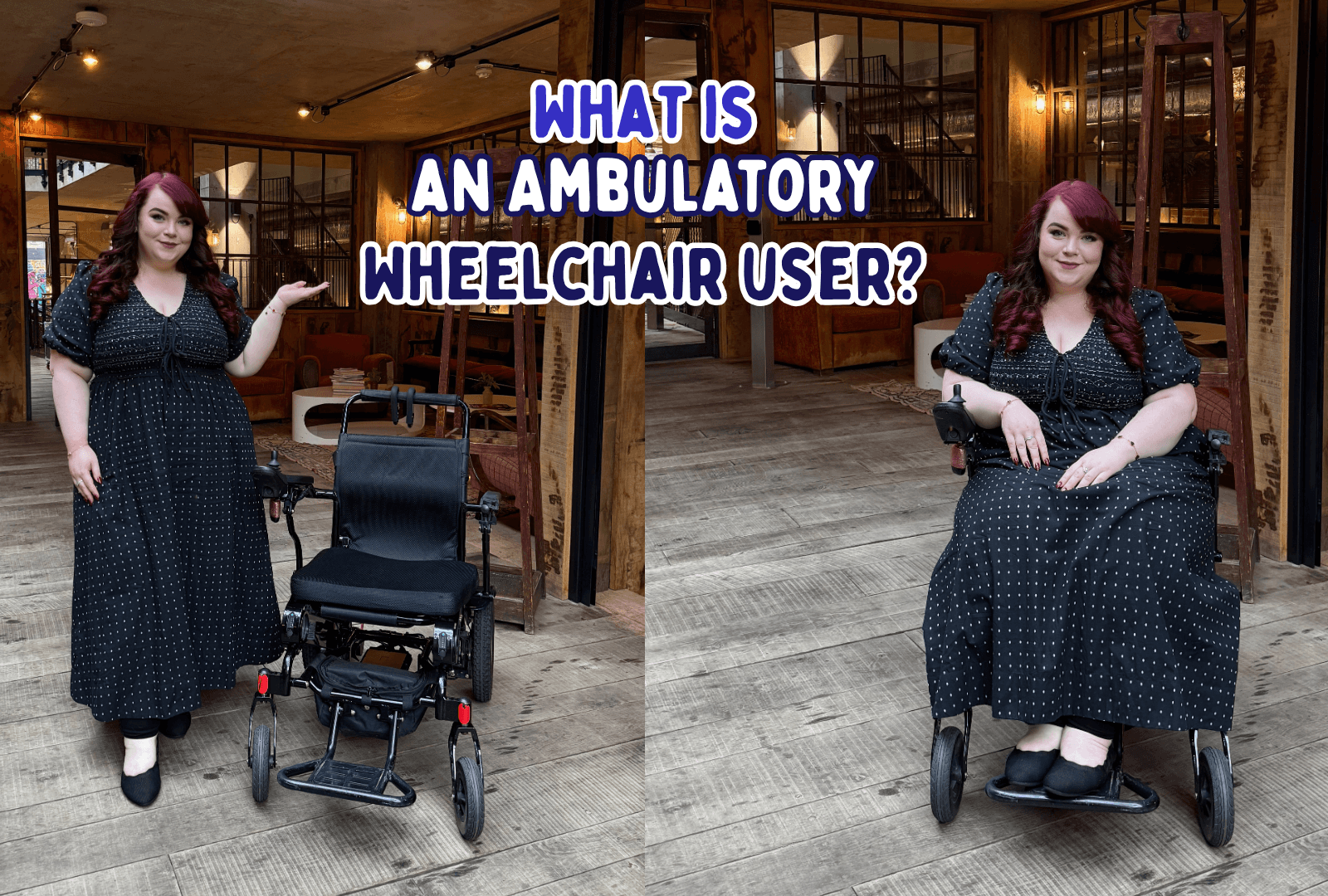
As Sociability’s Community Growth Officer, and as a Disabled auntie as well as an ambulatory wheelchair user myself, this lands close to home for me too. I know exactly how much it takes to leave the house not knowing whether you will actually be able to get in somewhere, and how much easier it is when you already know this information, before you arrive.
Sociability: Built with Disabled people, useful for everyone
Here's how it helps. Sociability is a free app with detailed, reliable access information for over 20,000 venues across the UK.
Unlike apps that rely on ratings or a single “accessible” tag, most of Sociability’s data has been professionally mapped on the ground by trained teams. It was built to help Disabled people find accessible places with confidence, but that same verified information is incredibly useful for parents navigating the world with wheels.
Open the app, search where you are heading, and start with the step-free filter.
The step-free filter isn’t a pram-friendly label, but it is a useful starting point because it can help you find places with step-free entrances, lifts and easier routes into the venue.
From there, you can look for the details that matter most to you, such as toilets, photos, seating space, entrance information and sweet or sour experiences from people who have been there, which tell you how welcome they felt.
It means you do not have to guess, ring ahead or find out the hard way once you are already there with a pram, a changing bag and a baby who has had enough.
What to look for when finding pram-friendly places
Start with step-free access
A step-free entrance is one of the most useful things to check before visiting somewhere with a pram.
Even one small step can make it difficult to get inside safely, especially if you are on your own, carrying bags or trying to avoid waking a sleeping baby.
On Sociability, the step-free filter can help you narrow down venues that are more likely to be manageable with wheels.
Look for space, not just the entrance
A place can have a step-free entrance and still be difficult to use with a pram.
Narrow aisles, tightly packed tables, heavy doors, awkward turns and cluttered walkways can all make a venue harder to navigate once you are inside.
Photos and access notes are especially useful here because they show what the space is actually like, not just what the venue says about itself.
Check the toilets and baby changing facilities
Baby changing facilities are sometimes located inside accessible toilets, but this is not always the case. Some venues have separate baby changing rooms, some have changing tables in gendered toilets, and some have no suitable baby changing facilities at all.
It is also worth remembering that accessible toilets are essential facilities for Disabled people. They are not simply larger toilets or extra changing spaces.
If you are planning a visit with a baby, check the venue information on Sociability before you go where possible. Look for details on toilet access, baby changing, whether facilities are locked, and whether there is enough space to manage comfortably.
Check where the parent and child parking is
If you are driving, it is worth checking whether the venue or nearby car park has parent and child parking spaces.
Parent and child spaces exist because distance, space and safe access matter. They are usually wider than standard spaces and often closer to the entrance, which can make it much easier to get a baby, pram and changing bag in and out of the car.
They are not the same as Blue Badge bays, which are for Blue Badge holders only, so if the parent and child spaces are full, please don’t use a Blue Badge bay instead.
Do not take “family-friendly” at face value

“Family-friendly” is a useful phrase, but it is not an access guarantee.
A venue might describe itself as family-friendly because it has a kids’ menu, highchairs or colouring sheets. That does not necessarily tell you whether there is a step at the door, space for a pram, a working lift, accessible toilets or baby changing facilities.
For new parents, the better question is not just “is it family-friendly?”
It is “can I actually get in, move around and use the space comfortably?”
If you end up having a great time and want to shout about it, share a sweet experience on the Sociability app. Or if you’re met with unwelcoming staff, share a sour experience. These real life experiences will help the Disabled community to explore more with confidence.
How parents can help improve access information
While most of Sociability's database is professionally mapped, venues change, and the community plays a huge role in keeping things accurate. If you are out and notice a change, or want to add a helpful detail from a parent's perspective, you can easily flag an alert or upload a photo directly in the app.

That might include:
Whether there is a step at the entrance
Whether the door is heavy or narrow
Whether there is space to manoeuvre inside
Whether there is a lift
Whether the toilet route is step-free
Whether there is baby changing
Whether the pavement outside is blocked
Whether there are photos that would help someone plan ahead
Every photo, experience or alert can help the next person avoid guesswork.
That might be another new parent with a pram. It might be a wheelchair user planning a meal out. It might be someone using a mobility aid, someone recovering from surgery, an elderly person, a carer, or a Disabled parent navigating the world with both access needs and baby equipment.
Better access information helps more people, but it matters most because Disabled people should not have to find out the hard way whether they can get into a place.
Got questions? We've got answers.
Here are a few of the most common questions new parents ask when navigating the world with a pram.
FAQ
How do I find pram-friendly places near me?
Open Sociability, search your location, and use the step-free filter as a starting point. You can then check venue photos, access notes, toilet information and other details to decide whether the place is suitable for you and your pram.
Is pram-friendly the same as wheelchair accessible?
No. There is some overlap, such as step-free entrances, lifts and more space to manoeuvre, but they are not the same thing.
Wheelchair accessibility can include features that prams do not need, such as grab rails and transfer space in accessible toilets, lowered counters, or Changing Places toilets. A place can also work for a pram but still not be suitable for a wheelchair user.
That is why it is important not to treat pram access and wheelchair access as identical.
Can I use Sociability to plan a full pram-friendly day out?
Sociability can help you check access information for the places you want to visit, including cafés, restaurants, pubs and other venues. It is still worth checking the journey separately, especially if you are travelling by train, using public transport or walking through an unfamiliar area.
What should I check before visiting a café with a pram?
Look for a step-free entrance, enough room between tables, an accessible route to the toilet, baby changing facilities, space to park or fold the pram, and a manageable journey to the venue.
It is also worth checking photos, experiences and alerts before you go.
Do all accessible toilets have baby changing?
No. Some accessible toilets include baby changing facilities, but many do not. Some venues have separate baby changing spaces, while others may not offer baby changing at all.
Always check before visiting where possible, especially if baby changing is essential for your trip.
Find Accessible Places With Confidence
Getting out as a new parent should not feel like a gamble.
With Sociability, you can search over 20,000 UK venues, check real access information, use the step-free filter, and plan with more confidence before you leave the house.
Download Sociability and start finding accessible places near you.
Georgina Grogan
Georgina is the Community Engagement Officer at Sociability. Bringing 12 years of lived experience as a Disabled content creator, she handles SEO and blog writing to successfully build and engage our community