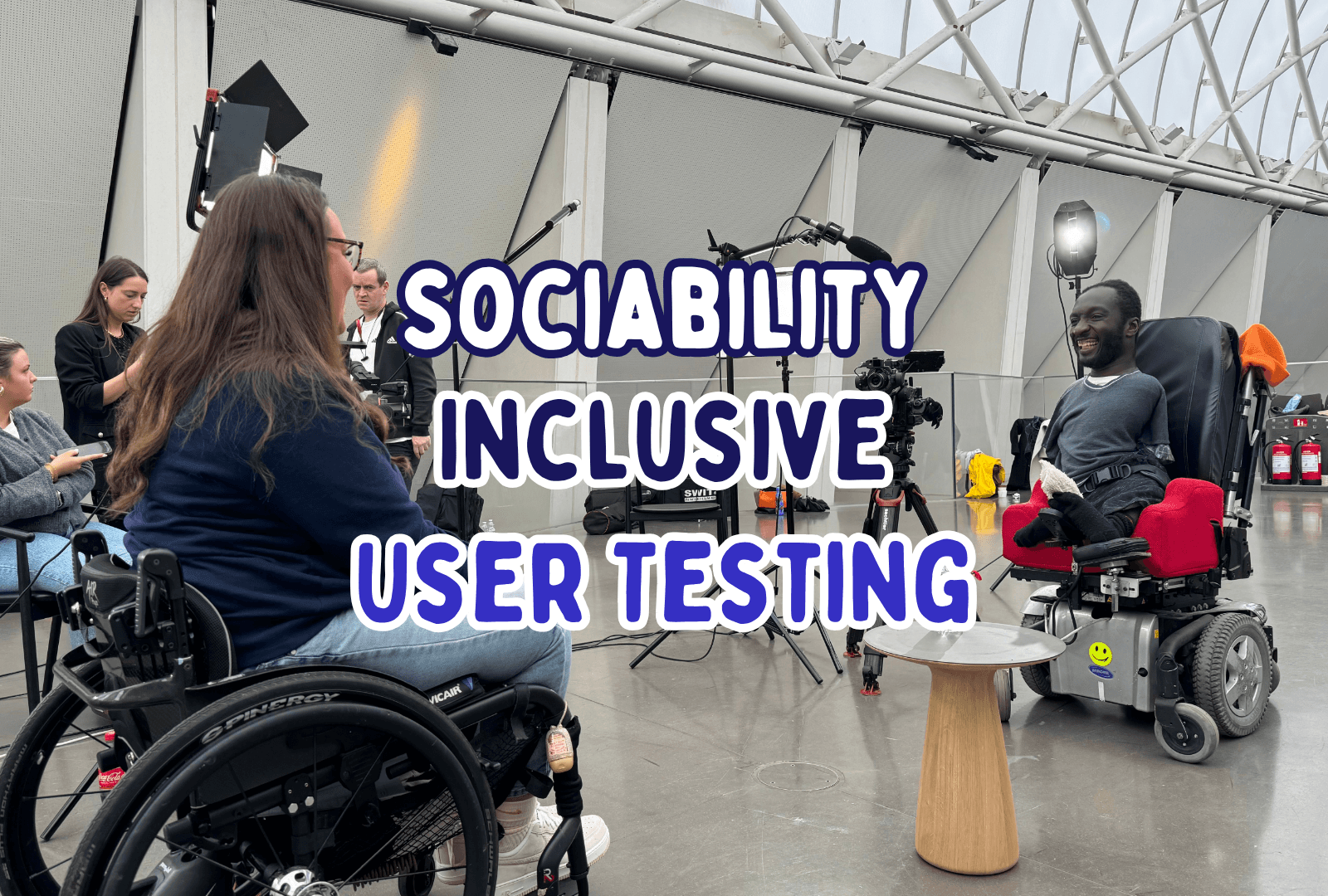
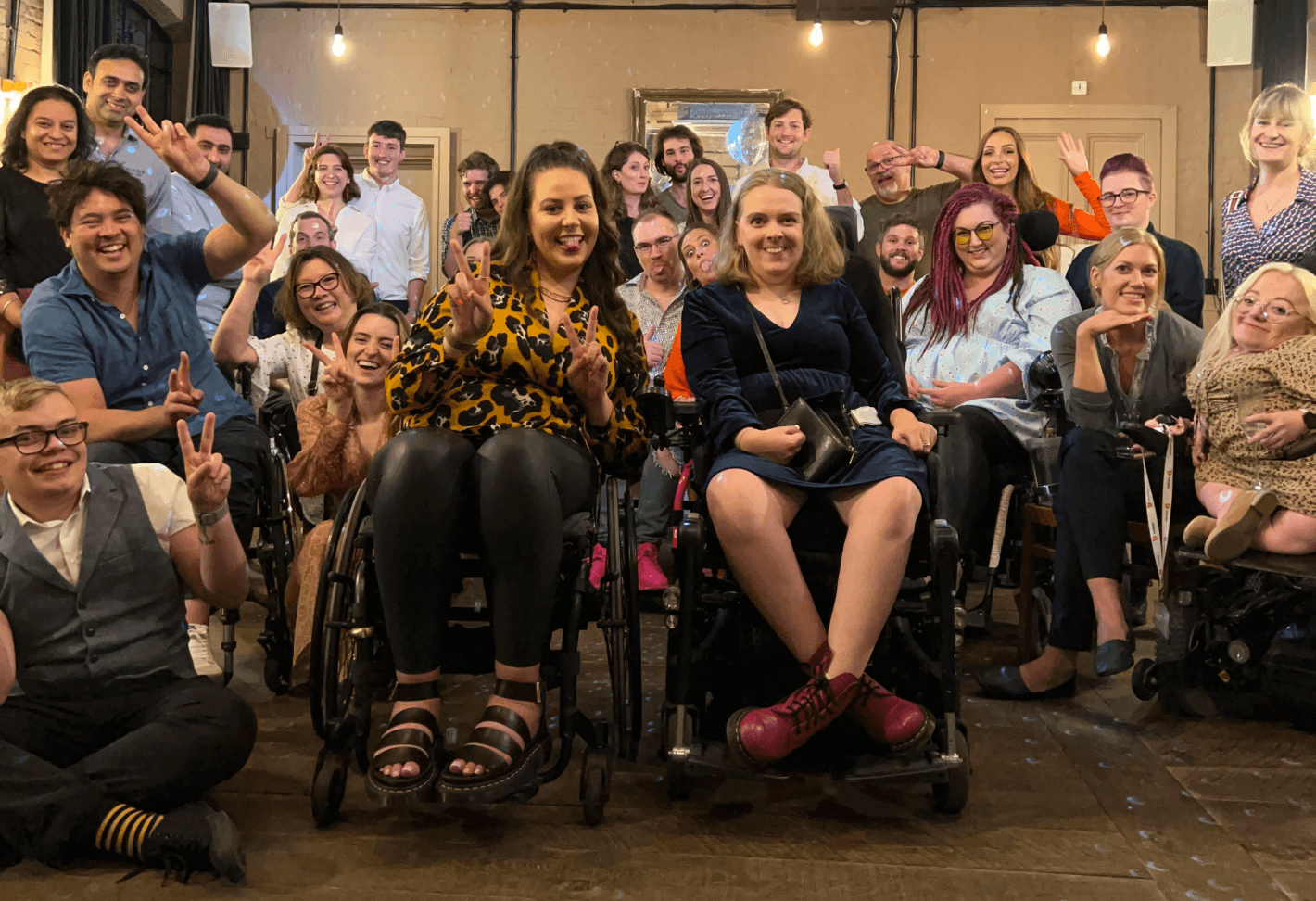
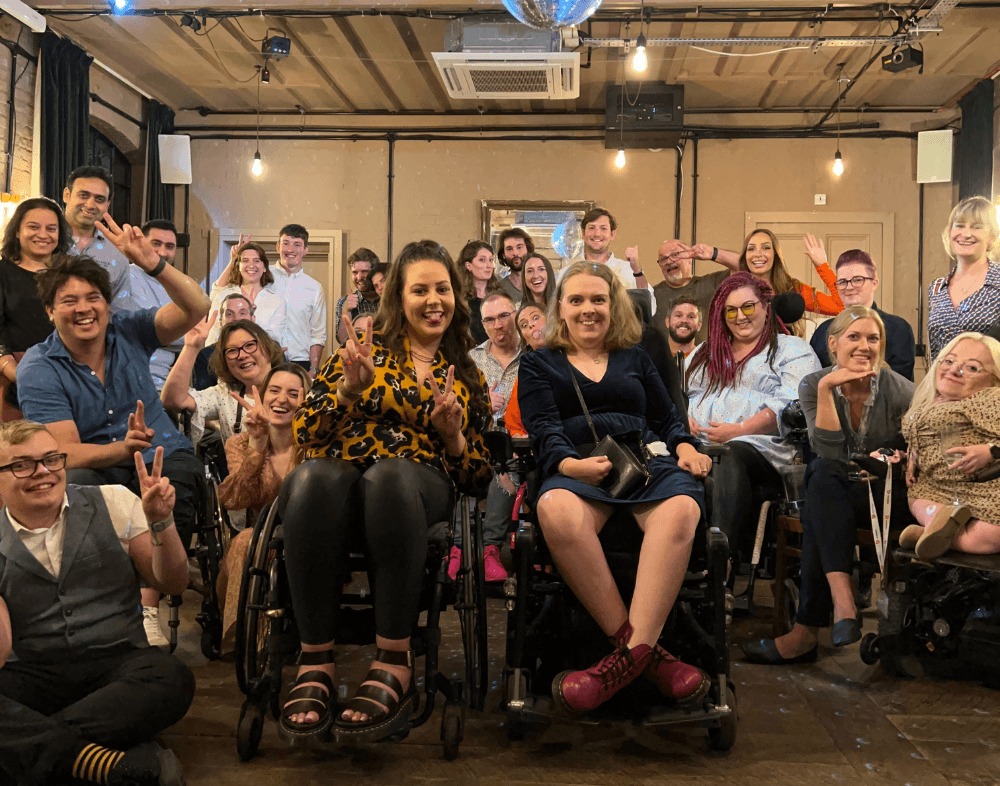
On Tuesday 10th June 2025, we hosted a deep dive into the ‘Communicate’ pillar of Grosvenor and The Crown Estate’s Inclusive Spaces and Places strategy, launched in October 2024.
Hosted by Sociability, in partnership with Grosvenor and The Crown Estate, this session explored the vital role of clear, open, and authentic communication between organisations and disabled stakeholders in improving accessibility.
We were privileged to be joined by expert panellists:
Dom Hyams – Global Client Director, Purple Goat Agency;
Lucy Webster – Disability advocate and writer;
Christopher Laing – Founder, Deaf Architecture Front;
Simon Mantle – Head of Customer & Community Management, GPUK; and
Jennie Berry – Head of Community, Sociability;
The wide-ranging discussion was chaired by Matt Pierri, Founder and CEO of Sociability.
Understanding the Inclusive Spaces and Places Initiative
To understand the importance of this session, it is helpful to look at the broader Inclusive Spaces and Places initiative. Too often, the built environment presents huge challenges to people with physical and hidden disabilities, preventing many from engaging in simple everyday activities and excluding them from opportunities.
1 in 4 people in the UK are disabled, and with a rapidly aging population, many more face barriers in navigating buildings and public spaces. Inclusive design, creating buildings and environments which welcome everyone, regardless of their characteristics or identity, has significant potential societal and business benefits.
Grosvenor and The Crown Estate have created tools to address common knowledge, technical, and organisational barriers. They are committed to five core commitments:
Collaborate: Working through a community of practice across the industry.
Listen to and involve lived experience: Engaging with users of buildings and spaces.
Measure: Understanding levels of accessibility for existing portfolios.
Communicate: Providing better information so people feel confident using spaces.
Exceed: Going beyond building regulations with inclusive design briefs.
Our webinar focused specifically on the Communicate commitment: providing better information on the level of accessibility of existing buildings and spaces so people can feel more confident using them.
Three Key Themes: Why, How, and What to Communicate
Across the webinar, we discussed three key themes essential to making the built environment more transparent:
Why Communicate? We discussed the ethical and business cases behind clear, proactive, authentic communication, as well as the importance of building trust and confidence with customers and staff, and moving beyond compliance to an approach focused on best serving customer and staff needs.
How to Communicate? We discussed the need to avoid stereotypes and assumptions around disability and the importance of communicating in a way that reflects the diversity and intersectionality of disabled lived experience – both about the built environment, and within it.
What to Communicate? And, finally, we discussed the importance of communicating a wide-ranging set of accessibility information that caters for mobility, visual, hearing and sensory needs, as well as the importance of ensuring that information is communicated accurately, in real-time and in a range of accessible formats.
The Reality of the Accessibility Gap
In terms of key learnings and takeaways, the panel reminded us of the stark statistics facing the UK today:
16 million people in the UK live with some form of disability (almost 1 in 4 people);
90% of disabled people seek accessibility information before visiting new spaces, but only 14% find the information they need;
Of that 14%, 80% report the information is problematic;
Disabled households in the UK have £274 billion in annual spending power; and
There is a 28.6% gap in employment rates between disabled and non-disabled people.
Key Recommendations for the Industry
The session resulted in several key recommendations for organisations looking to move the needle on inclusion:
We shouldn't wait for perfection – We should start communicating about accessibility now;
We must include disabled people in our design processes and organisational decision-making from day one;
We need to think holistically – accessibility encompasses physical, sensory, cognitive, and cultural elements;
We should be proactive rather than reactive in our communication – take the burden off the disabled person;
We must provide multiple communication channels to accommodate different needs and accessibility requirements;
We should focus on user experience over regulatory compliance; and
We need to embed accessibility in our organisational culture, not just physical infrastructure.
Looking Forward
Ultimately, it was a pleasure to host this deep dive into such an important topic. We left understanding that small changes can snowball into significant improvements, and that early engagement with disabled communities produces the best outcomes for both users and businesses.
We were inspired by the practical examples shared and motivated to implement these learnings in our own work and organisations. This session reinforced our belief that inclusive design isn't just about compliance, it's about creating better experiences for everyone while unlocking significant commercial opportunities.
For those keen to learn more: Sign up to our newsletter, Beyond Compliance, for practical advice, quick wins and suggested next steps to make your places and space more inclusive and accessible.
As always, if you have any questions, feel free to get in touch via email to business@sociability.app or set up a quick consultation if you’d prefer to chat 1:1. We’d love to continue the conversation!

Sociability
Sociability is a disability-led social enterprise dedicated to making the world more accessible through accurate, verified data. Our team combines lived experience with technical expertise to help individuals and organisations navigate and improve accessibility information across the UK.