The mornings are darker, the days are shorter, and the twinkly lights of December are back in the loft. For many of us, this period of the year can feel a bit much. As a wheelchair user, I find it much harder to get out and about in the winter. I do not like going out when it is wet, and over the last few weeks, it has felt like the rain has simply not stopped.
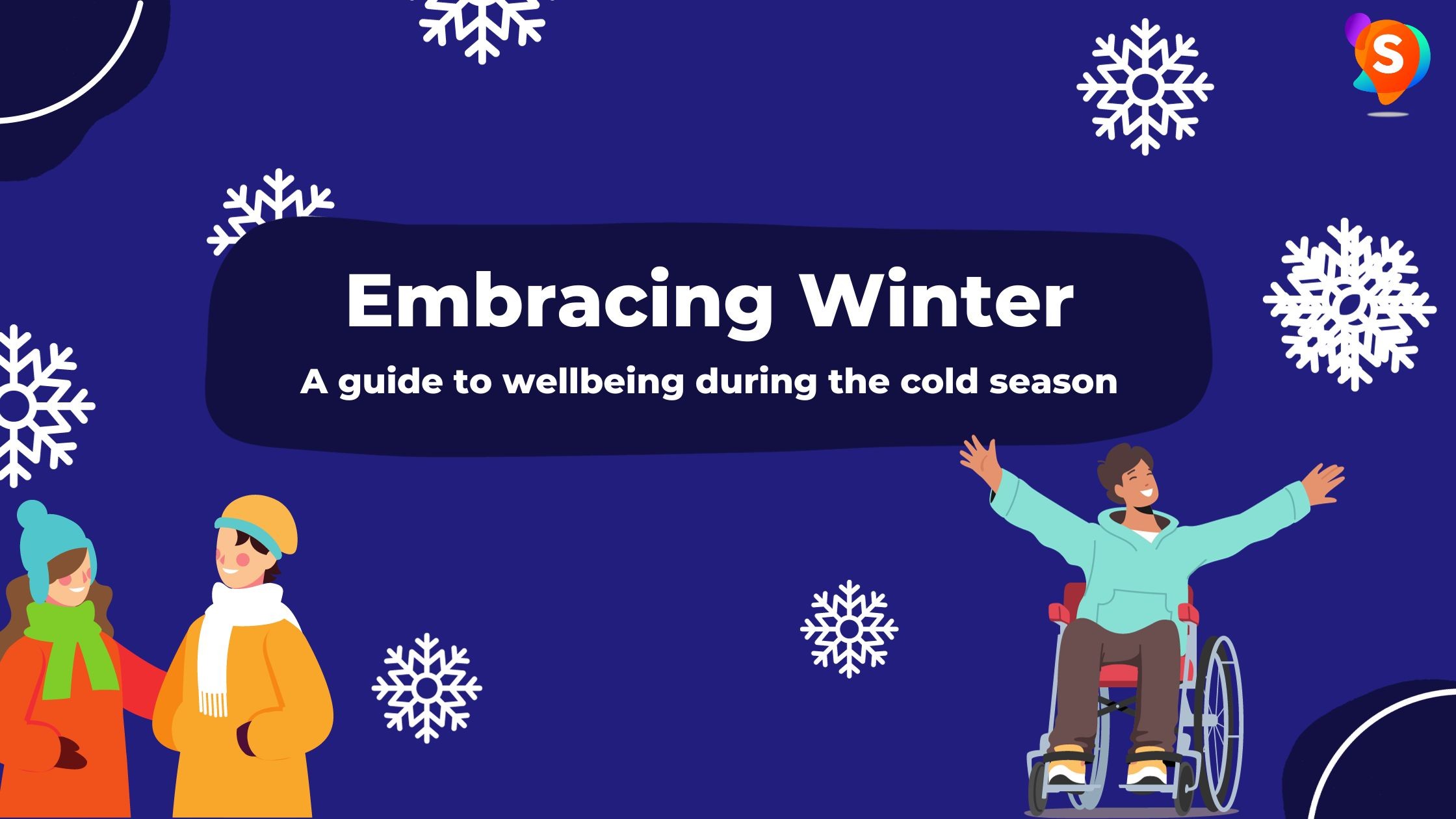
The fantasy of winter is all picturesque frosty landscapes and cosy moments by a roaring fire, but the reality often feels quite different. It is a season that can take a significant toll on our mental, physical, and emotional wellbeing. However, by putting a few simple strategies in place, navigating the winter months can become a little more bearable and even a time of true restoration.
Nourish Your Body
Winter is a time for comfort food that warms your bones and nourishes your soul. When the temperature drops, our bodies naturally crave more energy to maintain warmth.
Soups are a fantastic staple because they are simple to make fresh and even easier if you buy them tinned. Hearty stews are particularly disabled-friendly if you use a slow cooker, as they require minimal standing time and can be frozen into individual portions for easier eating on "low energy" days. Curries and loaded jacket potatoes are other brilliant options that provide warmth without requiring complex kitchen manoeuvres.
If you find hydrating harder in the winter, swap out cold squash for warm drinks. Hot honey and lemon are brilliant for getting some vitamin C into your system, which is vital for supporting your immune system during flu season. In 2026, we are also seeing more people embrace herbal "wellness" teas that offer both hydration and a moment of sensory calm.
Move Your Body (On Your Terms)
Winter is definitely a season for hibernation, but staying active is still important for your physical and mental health. The key is to find movement that feels like a joy rather than a chore.
As a wheelchair user, my favourite way to move my body is with a good "kitchen disco." It is low-pressure, fun, and gets the heart rate up. If the weather permits, I try to drag myself out for a short roll in the fresh air. On the days when getting outside feels impossible, YouTube is a wonderful resource for short seated-movement videos tailored to all abilities. Some days, all I can manage is a good stretch in bed or in my chair, and it is important to remember that this is perfectly okay too.
Prioritise Restorative Sleep
In the winter months, it is especially important to get a good night's sleep. As the days grow shorter and the nights longer, our bodies naturally produce more melatonin, making us feel more tired. Quality sleep helps our mental wellbeing and is a cornerstone of a healthy immune system.
Having a consistent bedtime routine can help. Try to go to bed around the same time each evening and allow yourself time to unwind beforehand. While experts often suggest avoiding screens before bed, we know that is not always easy if your social connection is primarily digital. Try swapping "doom-scrolling" for an audiobook or a guided meditation. The more rested you are, the better equipped you will be to handle the challenges of the following day.
Connect with Nature and Light
Getting outside is not always easy in the winter, especially if you are disabled and facing icy or wet pavements. It is one of those things I often want to avoid because staying in bed feels like the better option, but I always feel significantly better after some fresh air.
Try to get outside even if it is only for ten minutes. This could be a short roll around the block or simply bundling up to have a warm cup of tea on your balcony or in your garden. If you cannot get out at all, sitting by a sunny window can help top up your vitamin D levels and improve your mood.
When you do head out, layering is your best friend. For wheelchair users, a thermal base layer of leggings and a top is essential. Top this with joggers or jeans, a jumper, and a windproof coat. Do not forget cosy socks and fingerless gloves, which provide warmth while maintaining a better grip on your wheels.
Foster Social Connection
Winter can feel especially isolating, but you are not alone in these feelings. It is the time of year when "access anxiety" and the physical barriers of the cold can keep us indoors more than we would like.
Stay connected using social media and online groups. Reading and craft groups are particularly popular during the winter months. If you are able to get out, local libraries are wonderful, warm, and inclusive places to spend time. Check out local social media pages for information on groups in your area.
If you are planning to meet a friend, use the Sociability app to find a venue that is warm and accessible. Having detailed access information beforehand, like knowing there is a level entrance and a functioning accessible toilet, takes the stress out of the meeting and allows you to focus on the connection.
Embrace the "Nest"
It is winter, it is cold, and it is probably grey. This is the natural time for hibernation and rest. There is no need to subscribe to "new year, new you" pressure unless that truly motivates you. Otherwise, embrace the hibernation.
Get the cosy blankets out, light your favourite candle, and perhaps even get those twinkly lights back down from the loft if they bring you joy. Create a "cosy nest" for yourself where you feel safe and comfortable. Remember that most of nature blooms in the spring after a long period of dormancy. You are allowed to take this time to rest and recharge your own batteries.
FAQ: Winter Wellbeing for the Disabled Community
1. How can I manage "winter blues" while staying indoors?
Light therapy lamps (SAD lamps) can be very effective if you are struggling with the lack of sunlight. Additionally, maintaining a "digital community" can prevent the feeling of isolation. Using the Sociability app to plan a future "spring outing" can also give you something positive to look forward to.
2. What if I struggle with the cold due to poor circulation?
For many wheelchair users, cold extremities are a major issue. Electric hand warmers or heated insoles are popular 2026 tech solutions that can provide consistent warmth.
3. How do I stay active if I have low energy?
"Movement" does not have to mean a workout. It can be as simple as deep breathing exercises or gentle joint rotations while watching television. Listen to your body and prioritise what feels good rather than what you feel you "should" do.
4. Is the Sociability app useful even if I am not going out much?
Yes! You can use the app to "armchair travel" and research new inclusive spots for when the weather improves. You can also read reviews and look at photos to see which local cafés have the cosiest, most accessible layouts for those rare winter days when you do feel like a roll out.
Moving Towards Spring
Winter invites us to slow down, introspect, and prioritise self-care. By nourishing our bodies, minds, and souls, we can find ways to thrive during this season rather than merely enduring it. Embrace the unique offerings of the colder months, finding solace in the quiet moments and the warmth of community.
Wellbeing during winter is not just about surviving the cold; it is about finding magic in the small things. So, grab a blanket, pour a warm drink, and remember that after every winter, spring always follows.
We would love to hear your thoughts on this post.
Planning a trip? Download the Sociability app to find accessible cafés, bars, and restaurants that meet your specific needs in seconds. You can also join our community and follow us on Instagram for the latest inclusive spots!
To take your advocacy further, sign up for our free newsletter, Beyond Compliance. We provide practical tips to help you champion accessibility in your workplace and everyday life. We look forward to seeing you there!

Sociability
Sociability is a disability-led social enterprise dedicated to making the world more accessible through accurate, verified data. Our team combines lived experience with technical expertise to help individuals and organisations navigate and improve accessibility information across the UK.