Accessibility Guides for Inclusive Workplaces
Centralise, share and manage verified accessibility information to support disabled employees, customers and visitors across your organisation.
Product features
All features are designed to help organisations share accurate accessibility information and support disabled employees, customers and visitors at scale.
Accessible to all
Designed to support disabled employees and customers, with accessibility features built in, meeting the highest WCAG compliance standards.
Filters for user personalisation
Bespoke filters help disabled people assess whether a workplace or venue meets their individual access needs.
Stress-free real-time updates
Share real-time accessibility updates so employees and visitors can plan with confidence.
Gather feedback and flags
Enable disabled employees and visitors to share private feedback on accessibility issues, helping teams identify barriers and improve inclusive and accessible workplaces.
Custom logos and branding
Apply your branding to ensure accessibility information feels trusted, consistent and integrated across your organisation’s digital touch points.
Bespoke APIs
Integrate live accessibility information into internal systems, websites and third-party platforms using secure, bespoke APIs.
Customers that trust Sociability AMS
Solutions for every place

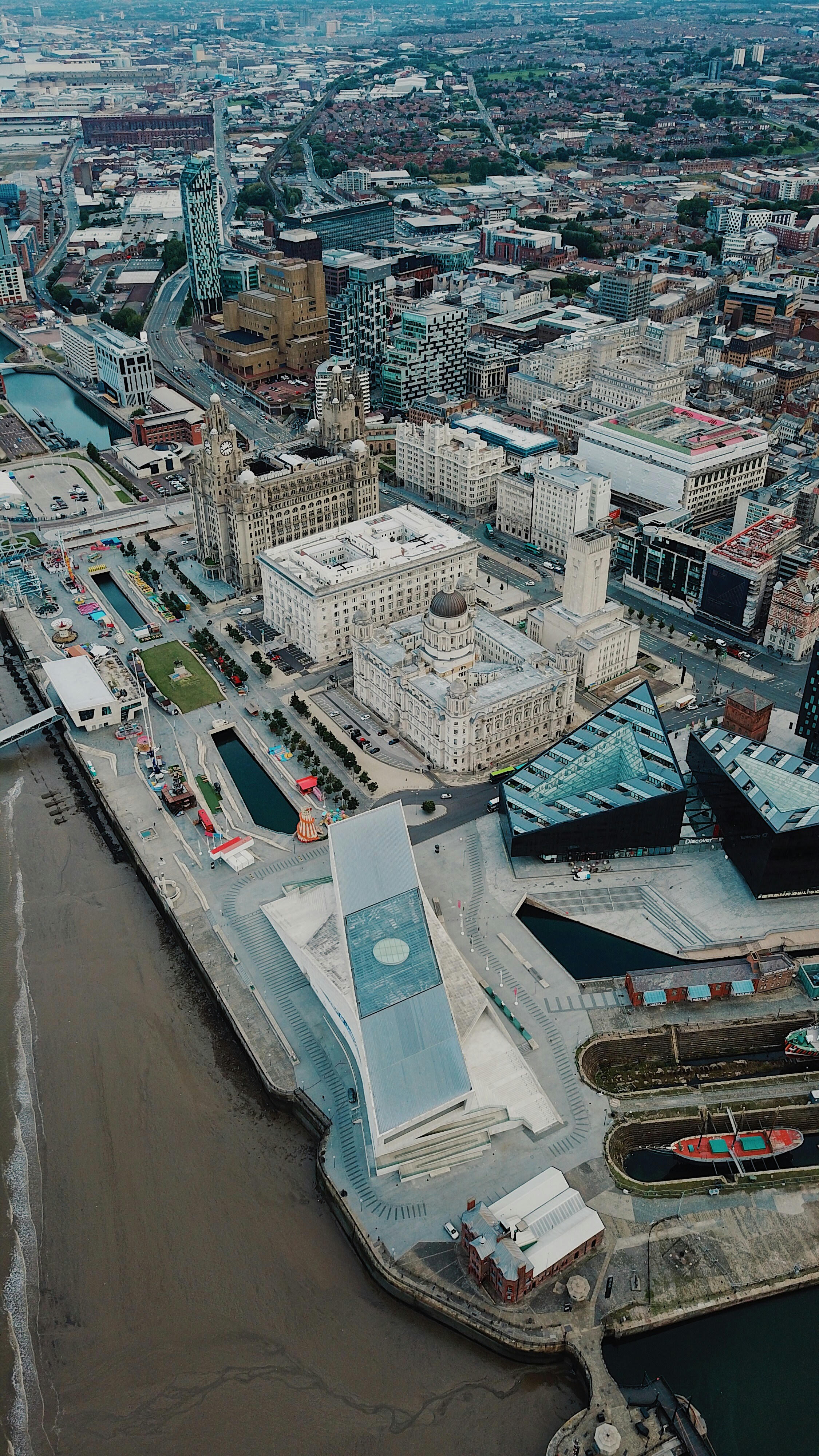
Public Buildings
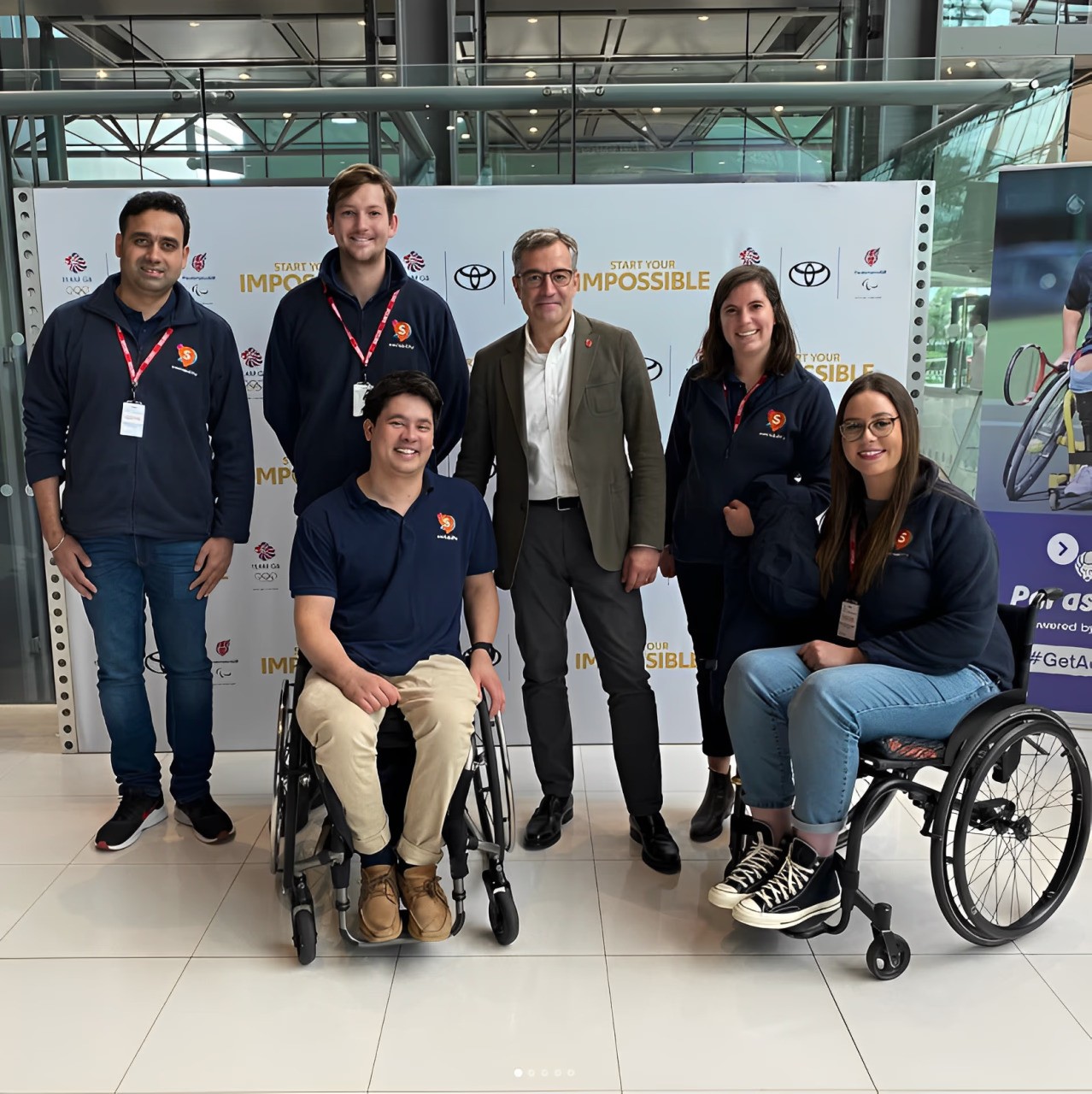
Corporate Offices
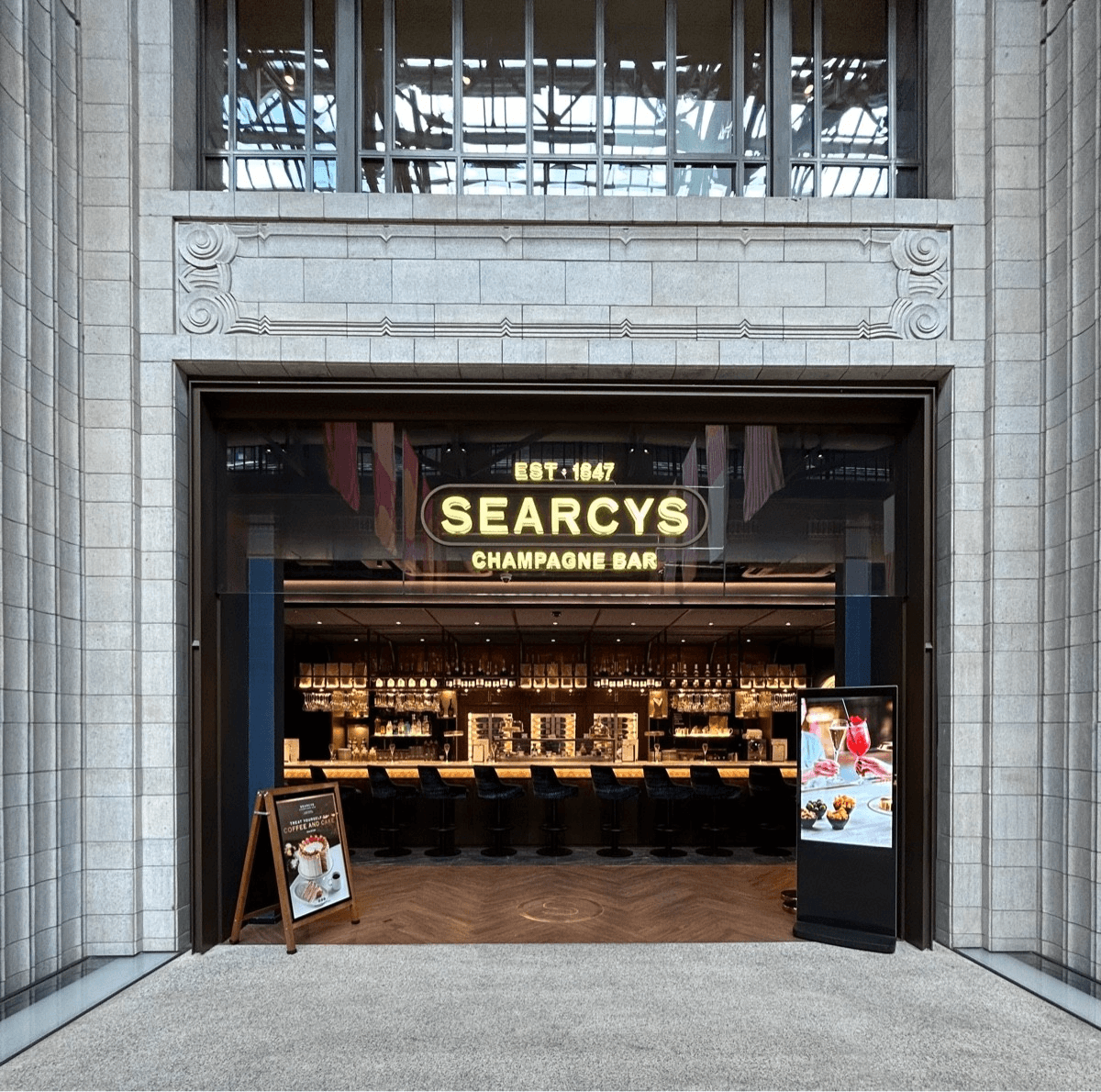
Hospitality and Retail
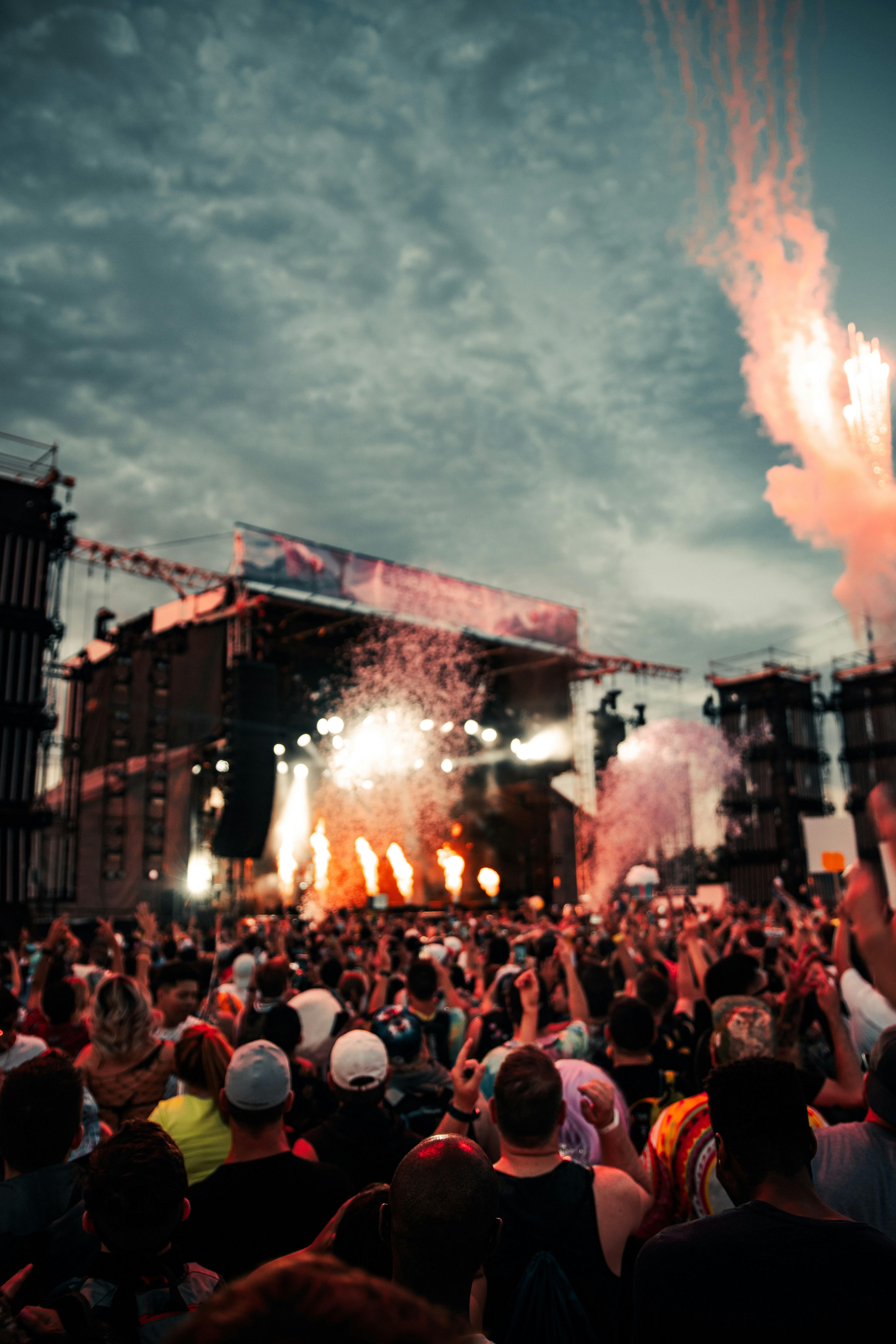
Festivals and Events
Sociability for
Public Buildings
Clearly communicate accessibility information for civic buildings, offices, and public facilities. Sociability helps government bodies build trust, meet regulatory requirements, and support disabled residents, staff and visitors with clarity and confidence.

Sociability for
Corporate Offices
Create a more inclusive and accessible workplace by making accessibility information visible, accurate, and easy to understand. Sociability helps organisations support disabled employees, visitors and talent with clear information for every space across your site, from meeting rooms and kitchens to desks, workstations, breakout zones and showers.

Sociability for
Hospitality & Retail
Welcome every customer with confidence. Sociability enables shops, restaurants, bars, pubs and cafés to share and embed detailed accessibility information, helping disabled customers plan visits, avoid uncertainty and decide what works for them. It also allows venues to receive and respond to accessibility feedback, supporting ongoing improvement over time.

Sociability for Festivals & Events
Make your event accessible from the very first click. Sociability helps festivals and events share detailed, easy-to-navigate accessibility information, from the event itself to the surrounding area. Trusted by major events like BBC Radio 1’s Big Weekend, we help organisers support disabled attendees and create more inclusive experiences.

Sociability for
Public Buildings
Clearly communicate accessibility information for civic buildings, offices, and public facilities. Sociability helps government bodies build trust, meet regulatory requirements, and support disabled residents, staff and visitors with clarity and confidence.

Sociability for
Corporate Offices
Create a more inclusive and accessible workplace by making accessibility information visible, accurate, and easy to understand. Sociability helps organisations support disabled employees, visitors and talent with clear information for every space across your site, from meeting rooms and kitchens to desks, workstations, breakout zones and showers.

Sociability for
Hospitality & Retail
Welcome every customer with confidence. Sociability enables shops, restaurants, bars, pubs and cafés to share and embed detailed accessibility information, helping disabled customers plan visits, avoid uncertainty and decide what works for them. It also allows venues to receive and respond to accessibility feedback, supporting ongoing improvement over time.

Sociability for
Festivals & Events
Make your event accessible from the very first click. Sociability helps festivals and events share detailed, easy-to-navigate accessibility information, from the event itself to the surrounding area. Trusted by major events like BBC Radio 1’s Big Weekend, we help organisers support disabled attendees and create more inclusive experiences.

Public Buildings
Corporate Offices
Hospitality and Retail
Festivals and Events
Sociability for
Public Buildings
Clearly communicate accessibility information for civic buildings, offices, and public facilities. Sociability helps government bodies build trust, meet regulatory requirements, and support disabled residents, staff and visitors with clarity and confidence.

Sociability for
Corporate Offices
Create a more inclusive and accessible workplace by making accessibility information visible, accurate, and easy to understand. Sociability helps organisations support disabled employees, visitors and talent with clear information for every space across your site, from meeting rooms and kitchens to desks, workstations, breakout zones and showers.

Sociability for
Hospitality & Retail
Welcome every customer with confidence. Sociability enables shops, restaurants, bars, pubs and cafés to share and embed detailed accessibility information, helping disabled customers plan visits, avoid uncertainty and decide what works for them. It also allows venues to receive and respond to accessibility feedback, supporting ongoing improvement over time.

Sociability for Festivals & Events
Make your event accessible from the very first click. Sociability helps festivals and events share detailed, easy-to-navigate accessibility information, from the event itself to the surrounding area. Trusted by major events like BBC Radio 1’s Big Weekend, we help organisers support disabled attendees and create more inclusive experiences.

Everything you need to deliver accessible experiences
Share detailed accessibility information for every one of your places
Collate detailed accessibility information across all your locations, helping disabled employees, customers and visitors make informed decisions before visiting.
Champion objectivity over ambiguity
Share clear, standardised tags to share objective accessibility information about each space, removing ambiguity and subjective interpretation.
Give the decision-making power back
Allowing disabled people to assess whether a workplace or venue meets their needs, without assumptions or pressure.
Give the decision-making power back
Allowing disabled people to assess whether a workplace or venue meets their needs, without assumptions or pressure.
Receive data insights and reports
Access dashboards and reports showing how people engage with your accessibility information, helping teams understand reach and improve uptake.
Receive data insights and reports
Access dashboards and reports showing how people engage with your accessibility information, helping teams understand reach and improve uptake.
Integrate nearby venues
Add contextual accessibility information about nearby places, giving users a broader understanding of the area around your site.
Integrate nearby venues
Add contextual accessibility information about nearby places, giving users a broader understanding of the area around your site.
Go beyond compliance
Move beyond compliance by sharing reliable accessibility information that supports genuinely inclusive experiences for disabled stakeholders.
Go beyond compliance
Move beyond compliance by sharing reliable accessibility information that supports genuinely inclusive experiences for disabled stakeholders.
See how our clients use the accessibility management system
See how organisations are using accessibility information to support disabled employees and customers across workplaces and public spaces.
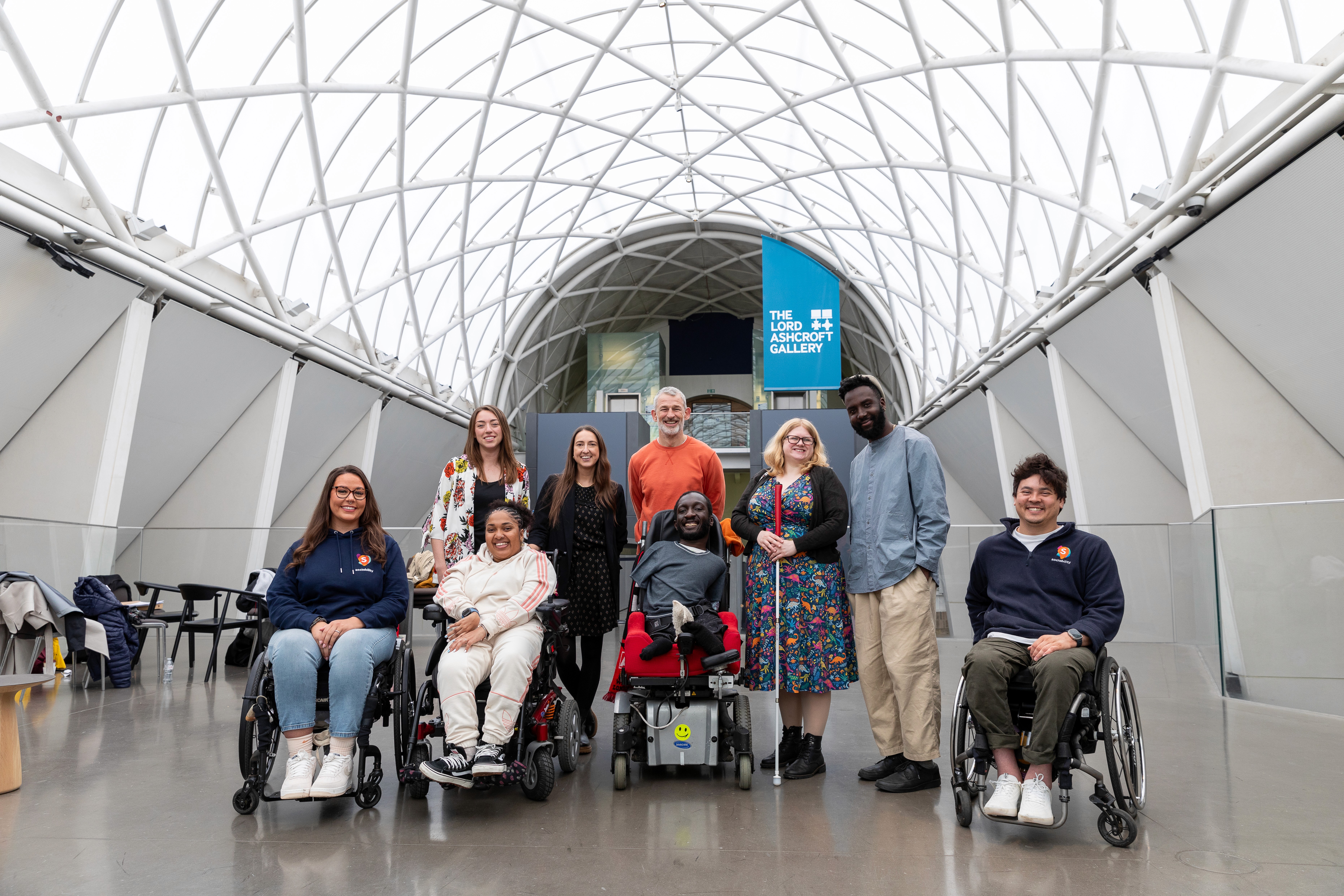
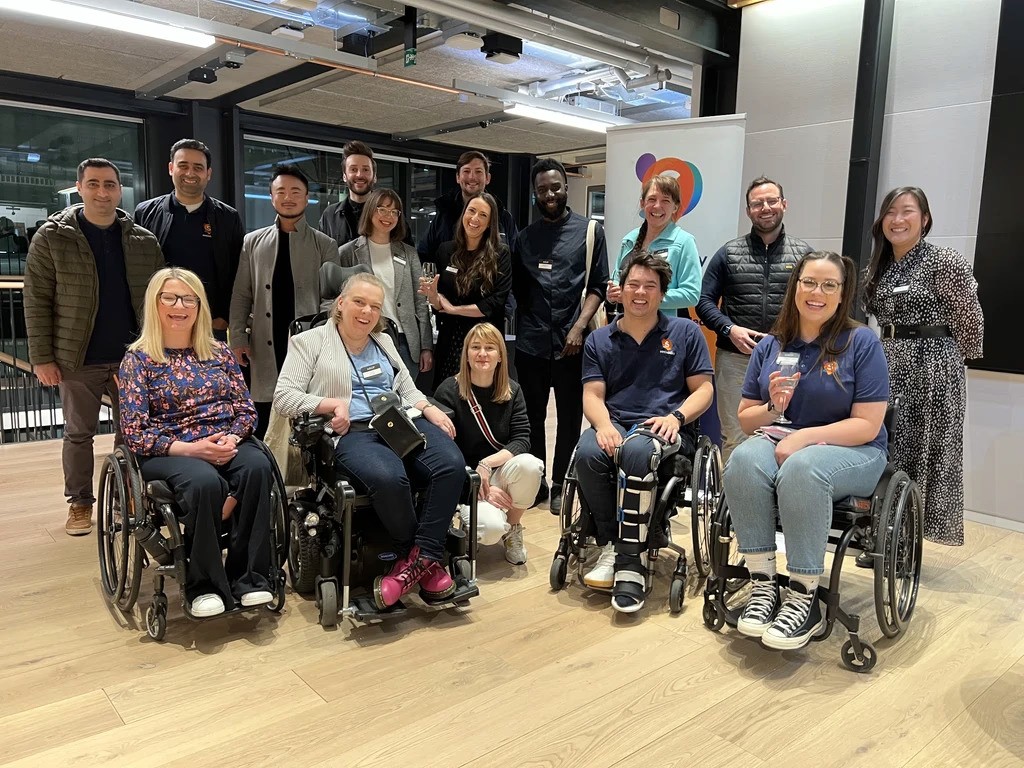
Foster + Partners
How Foster and Partners designs a more inclusive workplace with Sociability


Foster + Partners
How Foster and Partners designs a more inclusive workplace with Sociability


Foster + Partners
How Foster and Partners designs a more inclusive workplace with Sociability


Frequently asked questions
Have more questions?
Who is Sociability for?
Sociability is designed for organisations that manage physical spaces and want to better support disabled employees, customers and visitors. This includes businesses, public sector bodies, venues and festivals, whether you operate a single site or a large multi-site estate. If you have physical spaces and care about inclusion, Sociability can help.
We’re worried we’re not as accessible as we could be and that this could raise compliance-based problems - do we still need this?
Yes. Accessibility isn’t one-size-fits-all. Different disabled people experience workplaces and venues in different ways depending on disability type, context and personal preference. At Sociability, we’re not auditors, and our work goes beyond simple adherence to regulatory standards. We focus on sharing honest, up-to-date accessibility information, presenting spaces as they really are rather than as they are assumed to be. This approach empowers disabled people to decide for themselves what works - or doesn’t work - for them. People don’t expect perfection. Sociability makes it easier to plan ahead, avoid unexpected barriers, and reduce awkward or stressful situations for everyone involved.
We’re looking for a solution for everyone. Is this just focussed on mobility and wheelchair access?
No. Sociability supports a wide range of access needs, including mobility, sensory, neurodivergent and cognitive access. We capture information on everything from steps and doorways to lighting, sound, smells, patterns and layout. This allows organisations to support disabled employees, customers and visitors with different requirements, not just wheelchair users.
What makes Sociability different from an access statement or static access guide?
Traditional access statements are often static, generic and quickly become out of date. Sociability turns accessibility information into a living, interactive system that is easy to update and tailored to different user needs. Instead of a one-size-fits-all document, Sociability provides structured, detailed accessibility information that can be filtered, updated and accessed when and where people need it.
Is this suitable for multiple sites or buildings?
Yes. Sociability is built for scale. Whether you manage a single building or a large multi-site estate across regions or countries, you can manage and update all accessibility information from one central platform.
How is the information collected?
Our trained team of data collectors (we call them mappers) visit your site to collect first-party accessibility data, including photos and structured tags for every space. Once mapping is complete, each guide is individually checked and verified by our in-house team to ensure accuracy and reliability before being shared with your stakeholders.
Can Sociability’s data be integrated?
Yes. Sociability’s accessibility data can be embedded across websites, intranets and digital platforms using widgets, APIs and direct links. We work closely with IT, digital and web development teams to ensure integrations are secure, scalable and aligned with your existing infrastructure.
How much does this cost?
As outlined on our pricing page, we offer two pricing models depending on the type and scale of spaces you manage: a Standard model and an Estate model. The Standard model is based on the square footage of your site, with pricing starting from 15p per square foot, plus an initial setup fee for sites over 10,000 square feet. The Estate model is designed for organisations operating more than 15 sites under 10,000 square feet, with pricing starting from 16p per square foot depending on the number of sites and average size. Pricing reflects the size and complexity of your spaces, ensuring organisations only pay for what they need.
How do we get started with Sociability?
We typically begin with a pilot accessibility mapping project, either at a single large site or a small selection of sites from a wider estate. Once the pilot is complete, we work with you to plan a phased rollout aligned with your organisation’s priorities, often delivered over months or years. If you’re ready to get started, you can book a discovery call today to discuss your needs with our team.
Frequently asked questions
Have more questions?
Who is Sociability for?
Sociability is designed for organisations that manage physical spaces and want to better support disabled employees, customers and visitors. This includes businesses, public sector bodies, venues and festivals, whether you operate a single site or a large multi-site estate. If you have physical spaces and care about inclusion, Sociability can help.
We’re worried we’re not as accessible as we could be and that this could raise compliance-based problems - do we still need this?
Yes. Accessibility isn’t one-size-fits-all. Different disabled people experience workplaces and venues in different ways depending on disability type, context and personal preference. At Sociability, we’re not auditors, and our work goes beyond simple adherence to regulatory standards. We focus on sharing honest, up-to-date accessibility information, presenting spaces as they really are rather than as they are assumed to be. This approach empowers disabled people to decide for themselves what works - or doesn’t work - for them. People don’t expect perfection. Sociability makes it easier to plan ahead, avoid unexpected barriers, and reduce awkward or stressful situations for everyone involved.
We’re looking for a solution for everyone. Is this just focussed on mobility and wheelchair access?
No. Sociability supports a wide range of access needs, including mobility, sensory, neurodivergent and cognitive access. We capture information on everything from steps and doorways to lighting, sound, smells, patterns and layout. This allows organisations to support disabled employees, customers and visitors with different requirements, not just wheelchair users.
What makes Sociability different from an access statement or static access guide?
Traditional access statements are often static, generic and quickly become out of date. Sociability turns accessibility information into a living, interactive system that is easy to update and tailored to different user needs. Instead of a one-size-fits-all document, Sociability provides structured, detailed accessibility information that can be filtered, updated and accessed when and where people need it.
Is this suitable for multiple sites or buildings?
Yes. Sociability is built for scale. Whether you manage a single building or a large multi-site estate across regions or countries, you can manage and update all accessibility information from one central platform.
How is the information collected?
Our trained team of data collectors (we call them mappers) visit your site to collect first-party accessibility data, including photos and structured tags for every space. Once mapping is complete, each guide is individually checked and verified by our in-house team to ensure accuracy and reliability before being shared with your stakeholders.
Can Sociability’s data be integrated?
Yes. Sociability’s accessibility data can be embedded across websites, intranets and digital platforms using widgets, APIs and direct links. We work closely with IT, digital and web development teams to ensure integrations are secure, scalable and aligned with your existing infrastructure.
How much does this cost?
As outlined on our pricing page, we offer two pricing models depending on the type and scale of spaces you manage: a Standard model and an Estate model. The Standard model is based on the square footage of your site, with pricing starting from 15p per square foot, plus an initial setup fee for sites over 10,000 square feet. The Estate model is designed for organisations operating more than 15 sites under 10,000 square feet, with pricing starting from 16p per square foot depending on the number of sites and average size. Pricing reflects the size and complexity of your spaces, ensuring organisations only pay for what they need.
How do we get started with Sociability?
We typically begin with a pilot accessibility mapping project, either at a single large site or a small selection of sites from a wider estate. Once the pilot is complete, we work with you to plan a phased rollout aligned with your organisation’s priorities, often delivered over months or years. If you’re ready to get started, you can book a discovery call today to discuss your needs with our team.
Frequently asked questions
Have more questions?
Who is Sociability for?
Sociability is designed for organisations that manage physical spaces and want to better support disabled employees, customers and visitors. This includes businesses, public sector bodies, venues and festivals, whether you operate a single site or a large multi-site estate. If you have physical spaces and care about inclusion, Sociability can help.
We’re worried we’re not as accessible as we could be and that this could raise compliance-based problems - do we still need this?
Yes. Accessibility isn’t one-size-fits-all. Different disabled people experience workplaces and venues in different ways depending on disability type, context and personal preference. At Sociability, we’re not auditors, and our work goes beyond simple adherence to regulatory standards. We focus on sharing honest, up-to-date accessibility information, presenting spaces as they really are rather than as they are assumed to be. This approach empowers disabled people to decide for themselves what works - or doesn’t work - for them. People don’t expect perfection. Sociability makes it easier to plan ahead, avoid unexpected barriers, and reduce awkward or stressful situations for everyone involved.
We’re looking for a solution for everyone. Is this just focussed on mobility and wheelchair access?
No. Sociability supports a wide range of access needs, including mobility, sensory, neurodivergent and cognitive access. We capture information on everything from steps and doorways to lighting, sound, smells, patterns and layout. This allows organisations to support disabled employees, customers and visitors with different requirements, not just wheelchair users.
What makes Sociability different from an access statement or static access guide?
Traditional access statements are often static, generic and quickly become out of date. Sociability turns accessibility information into a living, interactive system that is easy to update and tailored to different user needs. Instead of a one-size-fits-all document, Sociability provides structured, detailed accessibility information that can be filtered, updated and accessed when and where people need it.
Is this suitable for multiple sites or buildings?
Yes. Sociability is built for scale. Whether you manage a single building or a large multi-site estate across regions or countries, you can manage and update all accessibility information from one central platform.
How is the information collected?
Our trained team of data collectors (we call them mappers) visit your site to collect first-party accessibility data, including photos and structured tags for every space. Once mapping is complete, each guide is individually checked and verified by our in-house team to ensure accuracy and reliability before being shared with your stakeholders.
Can Sociability’s data be integrated?
Yes. Sociability’s accessibility data can be embedded across websites, intranets and digital platforms using widgets, APIs and direct links. We work closely with IT, digital and web development teams to ensure integrations are secure, scalable and aligned with your existing infrastructure.
How much does this cost?
As outlined on our pricing page, we offer two pricing models depending on the type and scale of spaces you manage: a Standard model and an Estate model. The Standard model is based on the square footage of your site, with pricing starting from 15p per square foot, plus an initial setup fee for sites over 10,000 square feet. The Estate model is designed for organisations operating more than 15 sites under 10,000 square feet, with pricing starting from 16p per square foot depending on the number of sites and average size. Pricing reflects the size and complexity of your spaces, ensuring organisations only pay for what they need.
How do we get started with Sociability?
We typically begin with a pilot accessibility mapping project, either at a single large site or a small selection of sites from a wider estate. Once the pilot is complete, we work with you to plan a phased rollout aligned with your organisation’s priorities, often delivered over months or years. If you’re ready to get started, you can book a discovery call today to discuss your needs with our team.