

Securing tickets for a major tour is often a high-stress race against the clock. However, for disabled fans, the hurdle isn't just the "sold out" sign: it is the complex, inconsistent, and often intrusive process of proving they are "disabled enough" to sit in an accessible bay. At Sociability, we have been discussing the live music industry extensively, and the question of disability evidence is one of the most widely debated topics in our community.
When we asked our social media audience about their experiences, 12% said they simply do not go to concerts anymore. When asked why, the overwhelming answer was the booking systems. Unlike the standard "click and buy" process, securing accessible concert tickets often feels like an unpaid admin job that many fans are beginning to find too exhausting to pursue.
Here’s our first blog about how accessible concerts are in the UK.
Why Do Companies Require Disability Evidence?
Currently, there is no standardised system for booking. Some venues require "proof" of disability, such as letters from your Personal Independence Payment (PIP) eligibility. Others require you to sign up for a third-party scheme like the Access Card, which carries its own application process.
The reasoning behind these organisation checks is usually to prevent fraud. However, the lack of a universal system means a fan might have to submit their medical history to five different platforms just to see five different artists. This lack of cohesion makes people ask a similar question to one we hear in sports: are football matches accessible for disabled people if the booking process itself is a barrier?
The Community Perspective: Is Proof Helpful or Harmful?
We asked our followers for their thoughts on these requirements, and the responses highlighted a variety of deeply personal perspectives.
1. The Argument for a Verification System
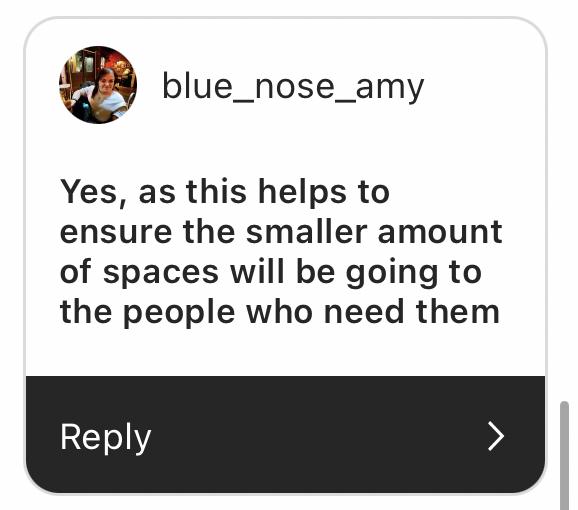
Some disabled people feel that a system is necessary to protect the limited resources available. Amy on Instagram noted that due to the severe lack of accessible spaces in UK venues, a verification system ensures that these spots are reserved for those who truly require them. In many smaller venues, there may be as few as two wheelchair spaces available, making it vital that they are not taken by non-disabled fans looking for a better view.
2. The Case Against Intrusive Evidence
Georgina Grogan - a disabled plus-size fashion blogger explains how the system doesn’t work for everyone. “Not everyone has all the same evidence like a blue badge, not everyone gets PIP etc, so I think the evidence needs to be more open like you could use your bus pass or DID card and less intrusive”

The theme of intrusiveness was a strong one. One mother shared on social media that she feels fed up with being asked the same medical questions repeatedly just to take her daughter to a show. Providing evidence for a lived experience that is visible every single day can feel redundant and draining.
3. The Emotional Impact of "Proving" Yourself
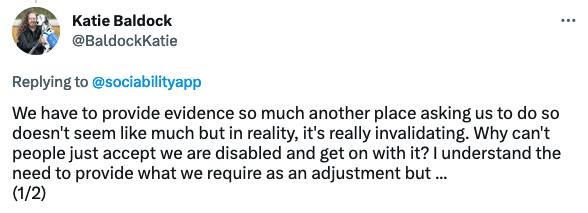
For many, the harm is emotional. As Katie mentioned on Twitter, this system can lead to fans feeling invalidated as they are forced to "prove how disabled they are" to a stranger. While non-disabled fans can simply enter their card details, the disabled community must often wait for a non-disabled staff member to decide if their medical evidence is sufficient for them to attend.
Is this a barrier which means disabled people are put off attending concerts? We think this may be the case…
How Can We Make Booking More Inclusive?
There may not be a single "right" answer to the evidence debate, but the community is in total agreement on one thing: accessible concert tickets must be available to book online quickly and efficiently.
The way forward is a standardised, less intrusive system that prioritises the fan's dignity. We need to move away from fragmented processes and toward a world where your access needs are tied to your profile across all platforms, removing the need for repetitive proof.
FAQ: Booking Accessible Concert Tickets
1. What is the most commonly accepted proof of disability?
Most UK venues accept a PIP or DLA award letter dated within the last 12 months, a Blue Badge, or a CredAbility Access Card.
2. Can I book accessible concert tickets online?
This depends entirely on the venue and the ticket provider. While Ticketmaster has improved their online booking for many major arenas, many smaller venues still require you to call a dedicated access line. These lines can often have long wait times, so we recommend calling as soon as they open.
3. How can the Sociability app help with my concert plans?
While we cannot book your tickets for you, the Sociability app provides detailed access information for cafes, pubs, and restaurants in the surrounding areas. You can use the app to check the bathroom layouts and entrance types for your pre-show dinner and then book a venue with confidence that it'll meet your access needs.
Thank you to everyone who took part in this conversation, we know it's something a lot of the disabled community is passionate about! What is your experience of booking accessible concert tickets?
We would love to hear your thoughts on this post.
Planning a trip? Download the Sociability app to find accessible cafés, bars, and restaurants that meet your specific needs in seconds. You can also join our community and follow us on Instagram for the latest inclusive spots!
To take your advocacy further, sign up for our free newsletter, Beyond Compliance. We provide practical tips to help you champion accessibility in your workplace and everyday life. We look forward to seeing you there!
Sociability
Sociability is a disability-led social enterprise dedicated to making the world more accessible through accurate, verified data. Our team combines lived experience with technical expertise to help individuals and organisations navigate and improve accessibility information across the UK.


