Originally published in 2024 | Last updated: April 2026 by Georgina Grogan
Differently-abled, special-abilities, and handicapable are all euphemisms that people often use in place of the words disabled or disability. But why do we feel the need for a euphemism in the first place? Often, these terms are created by non-disabled people who feel uncomfortable with the reality of disability.
At Sociability, we believe it is essential to challenge these stigmas and reshape how society perceives the language we use.
By accepting that disabled isn't a bad word, we stop treating disability as a tragedy that needs to be softened with flowery language. The UK Government's inclusive language guide specifically recommends avoiding euphemisms in favour of clear, accurate terms.
In this blog, we aim to explore why disabled isn't a bad word.
We want to emphasise that reclaiming and embracing this identity is not only a powerful aspect of diversity but also a completely neutral and accurate term to describe our lived experiences.
Shifting Perspectives on Disability
The word disabled is not a negative label. It is a neutral term that highlights a specific and important aspect of a person's identity. Historically, however, the word has been weaponised. It has been used by non-disabled people as the punchline of a joke or even as a direct insult. Because of this, many people grew up viewing the word as something to be feared or avoided.
When society presumes that a disabled life must be inherently sorrowful or "broken," they start looking for "nicer" words to use. In reality, millions of people happily identify as being disabled. Many others may prefer to describe themselves as having a disability rather than being a "person with special abilities." By accepting that disabled isn't a bad word, we stop treating disability as a tragedy that needs to be softened with flowery language.
Embracing Diversity and Promoting Visibility
Disability, like any other characteristic such as race, gender, or orientation, contributes to the beautiful tapestry of human diversity. Embracing the term acknowledging this reality fosters a more inclusive and accepting society. When we use euphemisms, we are often participating in a form of erasure. If we cannot even say the word, how can we truly see the person?
Disabled people are frequently unseen and unheard in mainstream media and urban planning. Using "cutesy" or vague language only serves to push the specific needs of the community further into the background. By using the term disabled clearly and proudly, we contribute to a narrative that respects the actual experiences of individuals. It allows us to demand the detailed access guides and physical changes we need, rather than just asking for "special" treatment.
The Strength Found in Identity and Community
Identifying as disabled can be a powerful way to connect with a global community. This is a thriving, diverse group of people who each have unique stories but often share a common understanding of ableism and the barriers created by society. There is an immense amount of comfort to be found in this shared wisdom.
When you embrace the fact that disabled isn't a bad word, you open the door to a community of people who are resilient, adaptable, and expert problem solvers. We are a community that has spent a lifetime navigating a world that was not built for us. Reclaiming this identity allows individuals to own their experiences and take pride in their journey, while receiving validation from those who truly understand the daily reality of navigating an inaccessible world.
Overcoming Stigma
Refusing to treat ‘disabled' as a taboo word helps break down the stigma associated with disabilities. Often disabled people face patronising, pitying attitudes, with people acting like being disabled is the most sorrowful thing in the entire universe. When we use the word disabled in a neutral way as it’s intended we begin to challenge these outdated attitudes towards disability, paving the way for a more inclusive and understanding society.
Overcoming the Stigma of the "Taboo"
Refusing to treat disabled as a taboo word is the first step in breaking down the stigma associated with it. Disabled people often face patronising and pitying attitudes. We are often treated as though being disabled is the most tragic thing that could happen to a human being. This "pity model" of disability is outdated and harmful.
When we use the word in a neutral, matter of fact way, we challenge these attitudes. We show that while our bodies or minds might function differently, the "problem" is often found in the environment around us. This is where the Sociability Accessibility Management System comes in. By focusing on the facts of a venue, we move away from pity and toward practical, inclusive solutions.
Person-First vs. Identity-First Language
The distinction between person-first and identity-first language is a significant topic within our community. It is a choice about the order in which an individual's identity and disability are presented.
Person-First Language: This involves saying "person with a disability." The intention is to underscore that the person is an individual first, and the disability is just one aspect of them.
Identity-First Language: This involves saying "disabled person." This approach acknowledges that the disability is an integral, inseparable part of who that person is.
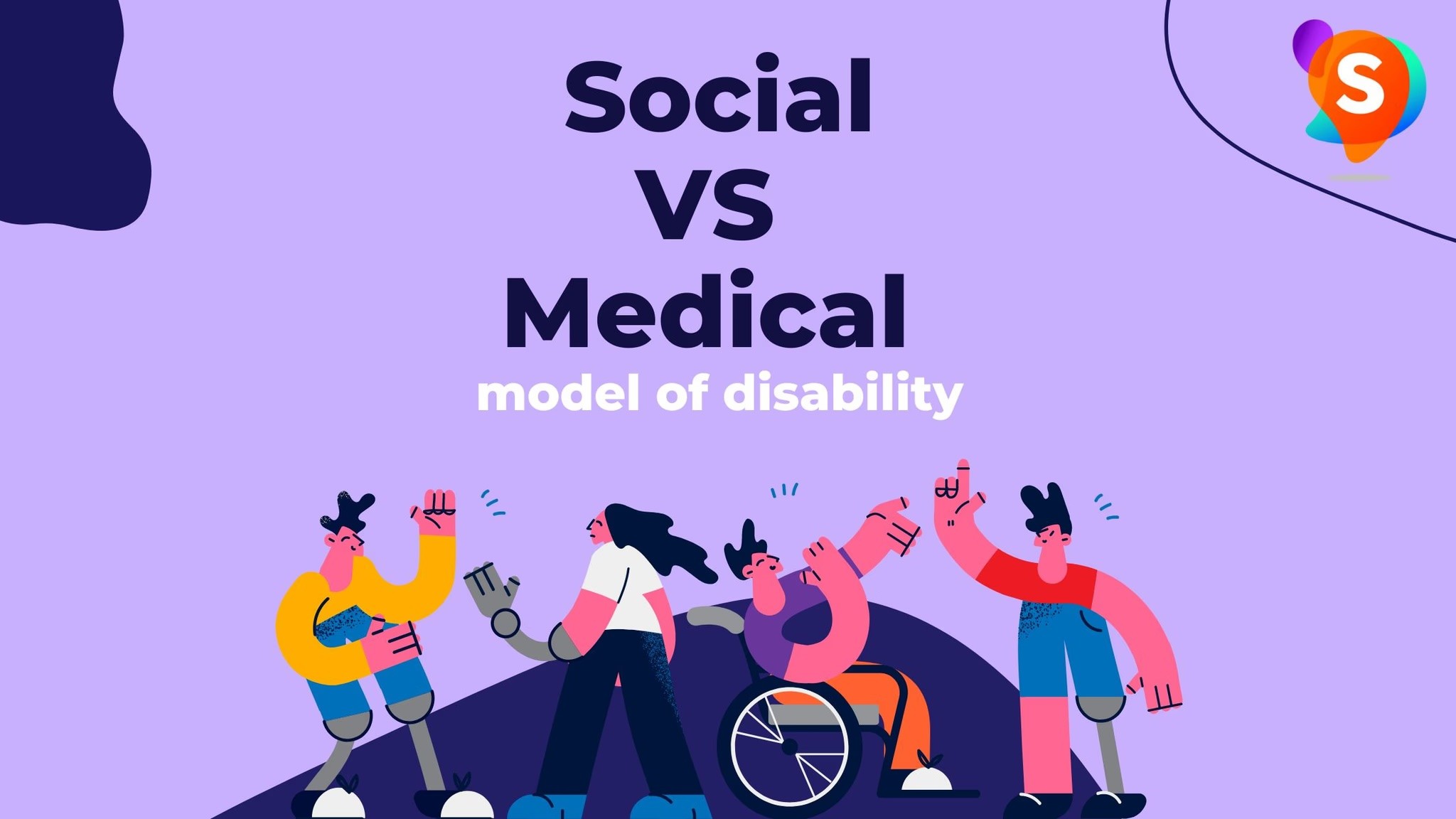
Many people prefer identity-first language because it aligns with the Social Model of Disability. This model suggests that while we may have a medical condition, we are "disabled" by a society that fails to provide ramps, lifts, or accessible information. In this context, being a disabled person means you are a person who is being disabled by your environment.
Reclaiming the word in this way reinforces the idea that disabled isn't a bad word; rather, it is a description of a political and social reality.
Related Read: The Medical VS Social Model of Disability Explained
Advocacy and Empowerment
Embracing the term aligns perfectly with the principles of self-advocacy. It encourages individuals to assert their rights and share their stories without feeling like they have to apologise for their existence. When a business uses the Sociability Accessibility Management System, they are acknowledging this identity. They are saying: "We see you, we have the data you need, and we respect your right to access this space."
Empowerment comes from being able to define yourself on your own terms. If a person wants to call themselves disabled, they should be able to do so without a non-disabled person correcting them or telling them they are "so much more than their disability."
FAQ: Understanding Disability Language
1. Is it ever okay to use euphemisms?
While some individuals might personally prefer them, euphemisms like "differently-abled" are generally disliked by the wider disabled community. They can feel patronising or like an attempt to avoid the reality of disability. If you are unsure, the best approach is to ask the individual how they prefer to be described.
2. Why is the Social Model of Disability important?
The Social Model is vital because it shifts the "problem" away from the individual's body and onto the barriers in society. It teaches us that disabled isn't a bad word because being disabled is a result of a world that lacks inclusive design.
3. How does Sociability support this identity?
We support the disabled community by providing the objective data needed to navigate the world. Our detailed access guides and Sociability app allow people to make their own choices about where they go, fostering independence and confidence.
4. What if I accidentally use the "wrong" word?
Language is always evolving. The most important thing is your intention and your willingness to listen. If someone tells you they prefer identity-first language, respect that choice. The goal is to foster a culture of respect and understanding.
A More Inclusive Future
In the journey towards a more inclusive world, it is essential to recognise that disabled isn't a bad word. It is a word that encapsulates strength, resilience, and the rich diversity of the human experience. By embracing this term, we contribute to a culture that values every individual and fosters a society where everyone can thrive regardless of their physical or neurological makeup.
We would love to hear your thoughts on this post.
Planning a trip? Download the Sociability app to find accessible cafés, bars, and restaurants that meet your specific needs in seconds. You can also join our community and follow us on Instagram for the latest inclusive spots!
To take your advocacy further, sign up for our free newsletter, Beyond Compliance. We provide practical tips to help you champion accessibility in your workplace and everyday life. We look forward to seeing you there!
Georgina Grogan
Georgina is the Community Engagement Officer at Sociability. Bringing 12 years of lived experience as a Disabled content creator, she handles SEO and blog writing to successfully build and engage our community