

Photo credit: Alex Steward
Football is the world's most popular sport, uniting people and bringing communities together. Whether you call it football, soccer, or fútbol, it is a central focus for many families worldwide, dominating weekends and TV schedules alike. According to the Premier League, more than 80% of UK adults watched, attended, or followed football in some capacity last year.
This leads many in the community to ask: are football matches accessible for disabled people? We asked our followers if they watch matches in person, and 61% said yes. However, while many are attending, the level of accessibility at football matches still varies significantly across the country. Let us find out what the experience is like on the ground.
The Wins: Where Stadiums are Getting it Right
The lack of inclusion in stadiums has been a long-term issue for many disabled fans. However, recent years have seen a surge in efforts to improve accessibility at football matches. Here are some of the highlights and good examples of facilities currently available in the UK.
Physical Access and Sightlines
The main physical requirement from our community is step-free entry and seating. One follower shared that they look for "clear sightlines, accessible toilets, access to concourses, and the ability to be sat with our own fans." While these features can be available, they vary depending on where you go.
A great example of high-quality accessibility at football matches is Arsenal Football Club's Emirates Stadium. This venue offers over 200 wheelchair spaces with designated areas for carers and friends. The stadium also has accessible toilets and changing facilities for disabled fans. It is exactly the kind of gold standard we love to see.
Dedicated Support Teams
When asking are football matches accessible for disabled people, we have to look beyond the physical building. Communication and support are just as vital. For example, Manchester United FC has a dedicated accessibility team that works with disabled fans to ensure they have the best possible experience. This team provides guidance before, during, and after the match, including help with purchasing tickets and on-site assistance.
Audio Description Commentary
Another fantastic feature some clubs have introduced is audio description commentary for blind or visually impaired fans. This service provides live, detailed commentary of the action. This feature is now available in many UK stadiums, including Tottenham Hotspur Stadium. The challenge now is ensuring these facilities are widely promoted so fans know they exist.
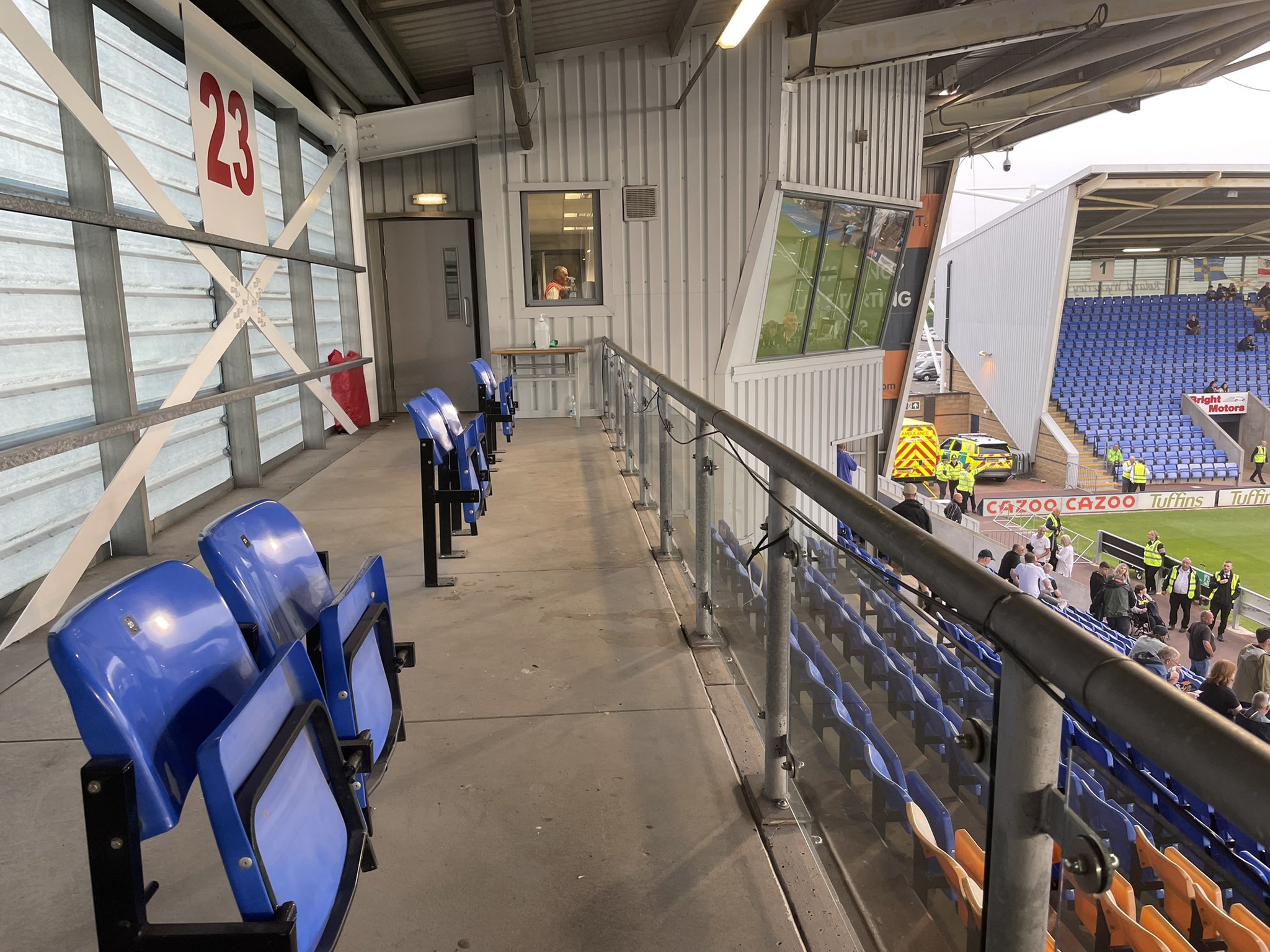
Photo credit: Alex Steward
The Barriers: Why Some Fans Stay Away
When we asked our followers why they choose not to watch football matches in person, the answers were stark. One follower relayed: "Just the thought of it seems too much to bother with." In 2026, the barriers are shifting from just "steps" to more complex systemic issues.
The "Disability Tax" and Ticket Costs
A major concern raised by groups like Level Playing Field is the rising cost of attendance. For many major tournaments, including the upcoming World Cup, accessible tickets are often restricted to higher-priced categories. Furthermore, some clubs have begun charging for Personal Assistant (PA) tickets, which were traditionally complimentary. This effectively doubles the cost for someone who cannot attend safely without support.
Digital Exclusion and Complex Booking
The move toward 100% digital ticketing has created a new barrier. Many disabled fans find mobile-only systems difficult to navigate, and the "lottery" style of booking for wheelchair bays can be incredibly stressful. For many, the risk of spending hundreds of pounds on a ticket only to find the "accessible" seat has a restricted view is enough to make them stay home.
Attitudes and Crowds
The "attitudes of others" remains a top-three barrier. Crowded public transport on match days and a lack of disability awareness from fellow fans can make the journey to the stadium feel like a gauntlet. If the environment feels hostile or overwhelming, the passion for the game often isn't enough to outweigh the stress.
New Solutions: Sensory Rooms and Inclusion
In response to these barriers, some clubs are moving away from "one-size-fits-all" seating. This is where we see the rise of sensory rooms. For fans who experience sensory overload, the loud noises and bright lights of a stadium can be a major deterrent.
Clubs like Manchester City FC and Chelsea FC have created dedicated sensory rooms that provide a safe, calming space.
These rooms are soundproofed and equipped with sensory toys, allowing fans to watch the match through glass in a controlled environment. This allows people who would otherwise be excluded from the "live" experience to enjoy the match at their own pace. While these are brilliant additions, we believe they should be a standard part of accessibility at football matches for all clubs, not just a luxury for the few.
The Future: Designing for Everyone
While there are pockets of impressive facilities within the UK, there is still a noticeable lack of consistency. Our hope for the future is that stadiums are designed with disabled people leading the way. Choice is key. Whether that is about where you sit, how you buy your refreshments, or having a clean, accessible bathroom nearby, disabled fans deserve the same variety of options as anyone else.
As fan Alex Steward rightly points out: "Attending sporting events is something that everyone can do and something I really recommend you give a go if you find yourself with a need to get out more."
We hope that future stadium designs recognise the value of the 16 million disabled people in the UK. Like Alex, many are eager to be part of this much-loved sport and community. For more information about accessibility at football matches, be sure to check out Alex Steward's blog for her personal insights.
FAQ: Football Stadium Access
1. How do I find out about a stadium's specific facilities?
The best starting point is the club’s official "Disabled Supporters" page. If the information is missing, look for the "Disabled Liaison Officer" (DLO). Most Premier League and EFL clubs have a dedicated DLO who can answer specific questions about parking and seating.
2. Is there an "Access Card" for football?
Yes. Many UK clubs and Wembley Stadium now work with the Nimbus Access Card. This card acts as a universal proof of disability, meaning you only have to submit your evidence once rather than for every individual match.
3. How can I find accessible food and drink near the ground?
This is where the Sociability app is a game-changer. Before or after the match, you can use the app to find detailed access information on local pubs and cafés near the stadium. This helps you avoid the "chaos" of the stadium concourse if you prefer a quieter environment.
For more information about accessible football games - be sure to check out Alex Steward's blog.
We would love to hear your thoughts on this post.
Planning a trip? Download the Sociability app to find accessible cafés, bars, and restaurants that meet your specific needs in seconds. You can also join our community and follow us on Instagram for the latest inclusive spots!
To take your advocacy further, sign up for our free newsletter, Beyond Compliance. We provide practical tips to help you champion accessibility in your workplace and everyday life. We look forward to seeing you there!
Sociability
Sociability is a disability-led social enterprise dedicated to making the world more accessible through accurate, verified data. Our team combines lived experience with technical expertise to help individuals and organisations navigate and improve accessibility information across the UK.


