
At Sociability, we believe that representation matters in every corner of society, especially in our schools and nurseries. When children grow up seeing disabled people in positions of leadership and education, it changes their perspective on what is possible.
Today, we are grateful to chat with Ryan, a long-time Sociability user and ambassador. Ryan works as an educator and is also a father of 6 children. We wanted to learn more about his role working with young people and his thoughts on how we bridge the gap between disability and children.
Over to you, Ryan!
Hi Ryan! Can you please introduce yourself?

Hi I'm Ryan, an ambassador for Sociability. I'm a married father of 6 children, living with limb girdle muscular dystrophy. I've been working with children and young adults for the past 12 years. I started my career in a Nursery setting, moving onwards into a Primary School. I've worked with children from the ages of 6 months old to 14 years.
What’s it like working with children when you’re disabled?
With working in a school environment and having a disability, you need to be thick-skinned. As we all know Children and young adults often don't butter the edges when it comes to honesty and using their opinions. I have found over my time being an early year's educator in an after school club, that Children often ask more suitable and relatable questions than most adults.The other benefit I find working with children is the feedback I get from the parents.
They often say how good it is to have someone with a disability in a school environment to educate their children in the best possible way of hands-on experience. That way we'll have an army of children, who are the generation of tomorrow, armed with the knowledge of what the disabled community are and need to help them through life.
What kind of questions do children mostly ask?

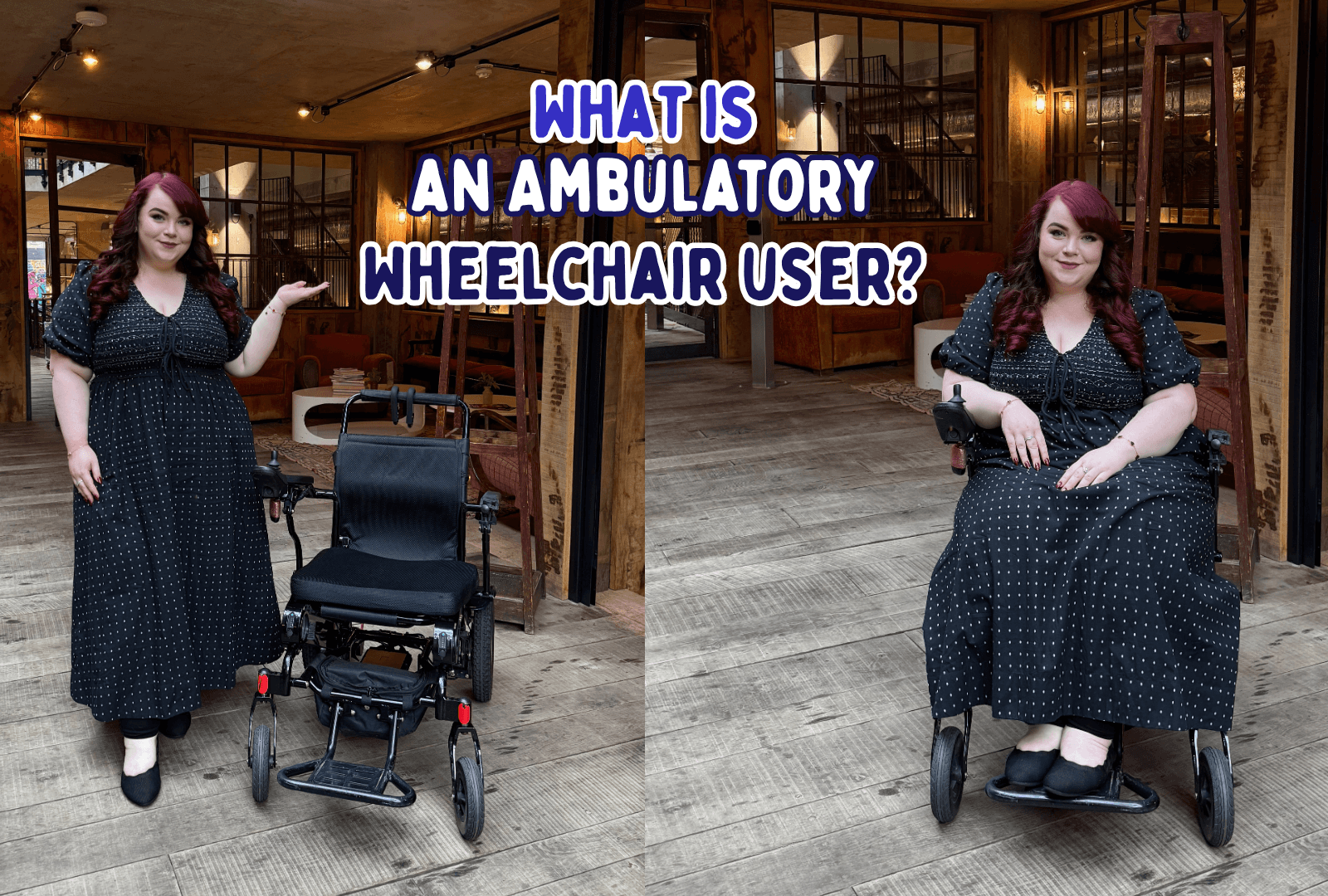
Children mostly are inquisitive about my wheelchair. The main questions are:
"How fast does it go?"
"How do you drive?"
"Do you sleep in a bed?"
"Can you go upstairs?"
The best comment and one that literally blew me away was - "That's a cool chair, I want one of those when I grow up!" He literally looked at it as this amazing robot machine, not a barrier.
Do you think children seeing disability in school is positive?
For me - being visible in a school, letting them ask questions in their thoughts and answering their questions honestly and truthfully is education.

The other benefit I find working with children is the feedback I get from the parents. They often say how good it is to have someone with a disability in a school environment to educate their children in the best possible way of hands-on experience. That way we'll have an army of children, who are the generation of tomorrow, armed with knowledge of what the disabled community are and need to help them through life.
Massive thank you to Ryan for sharing his experience with us.
FAQ: Navigating Disability and Children
1. How should I explain disability to my child?
Children are naturally curious. It is best to be honest and use plain language. Explain that some people use tools like wheelchairs, hearing aids, or white canes to help them move around or experience the world, just like some people use glasses to help them see. Normalising these "tools" helps remove the stigma early on.
2. Is it okay for my child to ask a disabled person questions?
As Ryan mentions, children's questions are often more relatable than adults'. However, it is a good idea to teach your child to be respectful of personal space. A great approach is to encourage them to say "hello" first. Many disabled people are happy to answer a quick, polite question from a child, but they may also just be going about their busy day!
3. Why is disability representation in schools important?
Having disabled teachers and staff like Ryan helps children understand that disability is just one part of human diversity. It prepares them for a world where they will live and work alongside people with all types of impairments, fostering a more inclusive mindset for the "generation of tomorrow."
We would love to hear your thoughts on this post.
Planning a trip? Download the Sociability app to find accessible cafés, bars, and restaurants that meet your specific needs in seconds. You can also join our community and follow us on Instagram for the latest inclusive spots!
To take your advocacy further, sign up for our free newsletter, Beyond Compliance. We provide practical tips to help you champion accessibility in your workplace and everyday life. We look forward to seeing you there!
Sociability
Sociability is a disability-led social enterprise dedicated to making the world more accessible through accurate, verified data. Our team combines lived experience with technical expertise to help individuals and organisations navigate and improve accessibility information across the UK.