
Originally published in 2025 | Last updated: April 2026 by Georgina Grogan
At the time of publishing this, it is Purple Tuesday: a global social movement dedicated to improving the customer experience for disabled people. While many businesses want to be more inclusive, they often don’t know where to start.
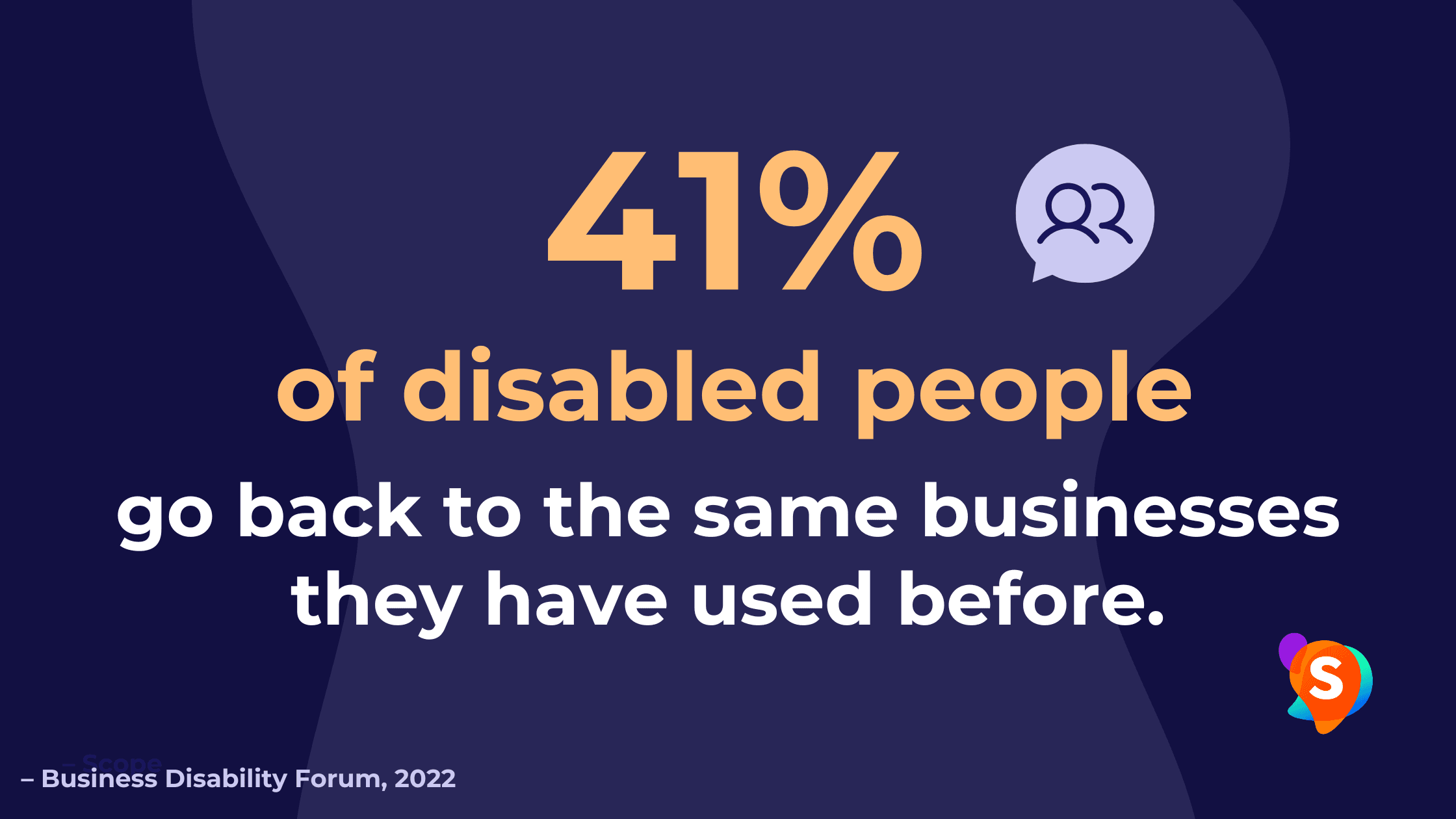
Understanding the latest factors for accessibility is not just a social responsibility: it is a significant business opportunity. In the UK alone, the Purple Pound (the combined spending power of disabled households) is now worth an estimated £446 billion per year. Despite this, 75% of disabled people and their families have walked away from a UK business because of poor accessibility or customer service.
At Sociability, we look at the whole package of inclusion. Here are the 5 essential areas every venue should consider.
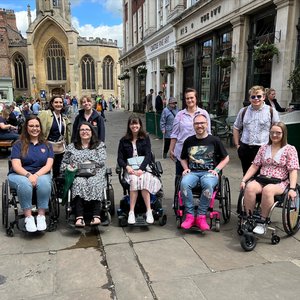
1. True Step-Free Access
Step-free access is the most discussed of all factors for accessibility, yet it is often the most poorly executed. Many buildings are labeled "wheelchair friendly" despite having a "small" step at the entrance.
The Reality: For many powerchair users, a step as small as 50mm is an impassable barrier.
The Solution: True accessibility means a level threshold or a compliant ramp. Using the term "step-free" is the only way to safely signal that a venue is reachable for all.
2. Sensory and Environmental Impact
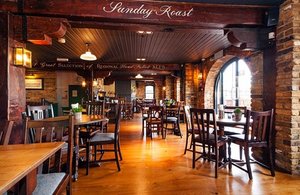
Inclusion is not just about physical space: it is about how a person feels in that space. Sensory barriers are among the most overlooked factors for accessibility.
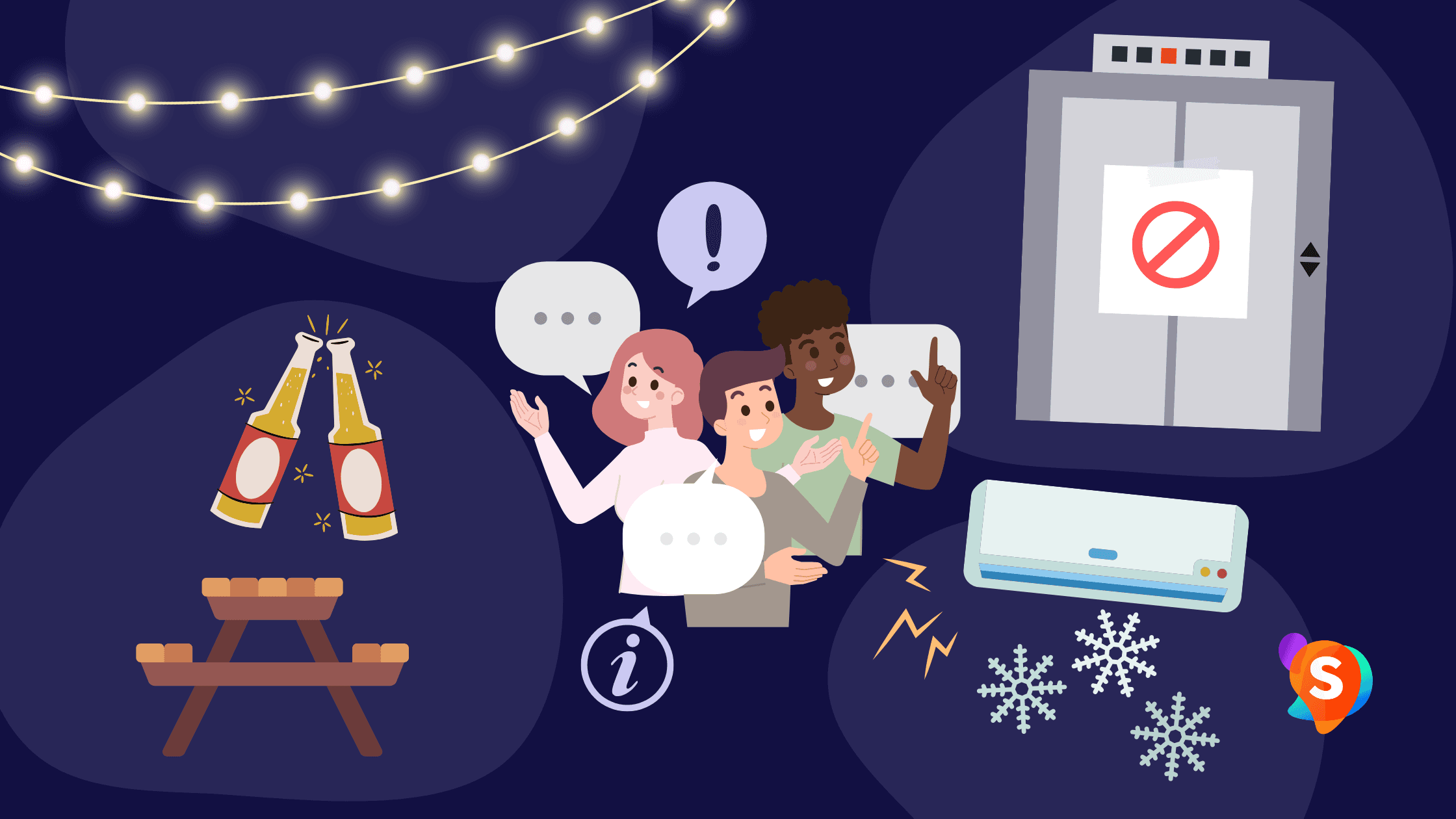
Lighting: Bright or flashing lights can be a barrier for neurodivergent customers or those with light sensitivity. Providing dimmer or "quiet" zones can make a huge difference.
Smells: Strong perfumes, cleaning products, or beauty products can negatively impact people with respiratory issues or sensory sensitivities.
Acoustics: High background noise levels can make communication impossible for those with hearing impairments or processing disorders.
3. Accessible Bathroom Facilities
Being able to use a toilet is a basic human right, yet it is often the biggest point of failure for venues. A truly accessible bathroom requires several specific features:
Turning Space: A minimum clear turning circle of 1500mm.
Red Emergency Cords: These must hang all the way to the floor so they can be reached in the event of a fall.
Visual Contrast: High-contrast toilet seats help those with visual impairments.
Clearance: Sinks must have clear space underneath to allow a wheelchair user to roll in close.
4. Digital and Information Access
In 2026, accessibility begins before a customer even leaves their house. 71% of disabled customers will click away from a website that they find too difficult to use.
Transparency: Providing clear, accurate information about your physical access on your website (or via the Sociability app) allows customers to plan their visit with confidence.
Clarity: Ensure your menus, opening times, and contact details are easy to read and screen-reader friendly.
5. Inclusive Customer Service
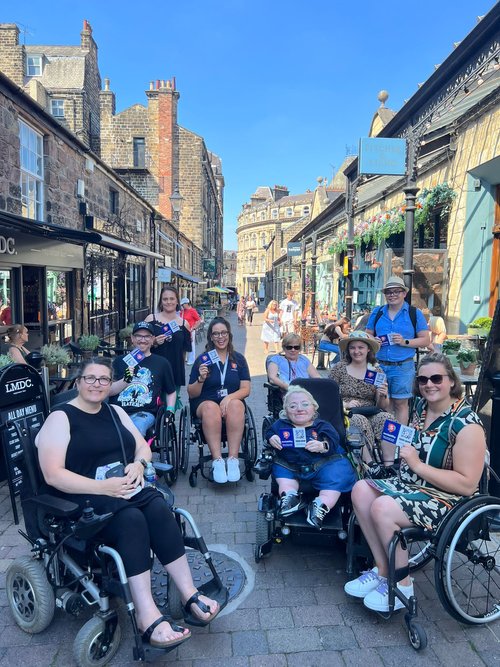
You can have the most accessible building in the world, but if your staff are not "disability confident," the experience will fail.
Speak Directly: Always address the disabled customer, not their companion or carer.
Don't Assume: Remind customers you are there if they require assistance, but wait for them to ask before jumping in.
Respect Privacy: Never ask intrusive questions about a customer's impairment. Good service is about making every visitor feel valued and respected.
FAQ: Improving Your Factors for Accessibility
1. Why should my business care about the Purple Pound?
With a spending power of £446 billion, disabled consumers represent a massive market. Research shows that businesses that lead on disability inclusion see 1.6 times more revenue than those that do not.
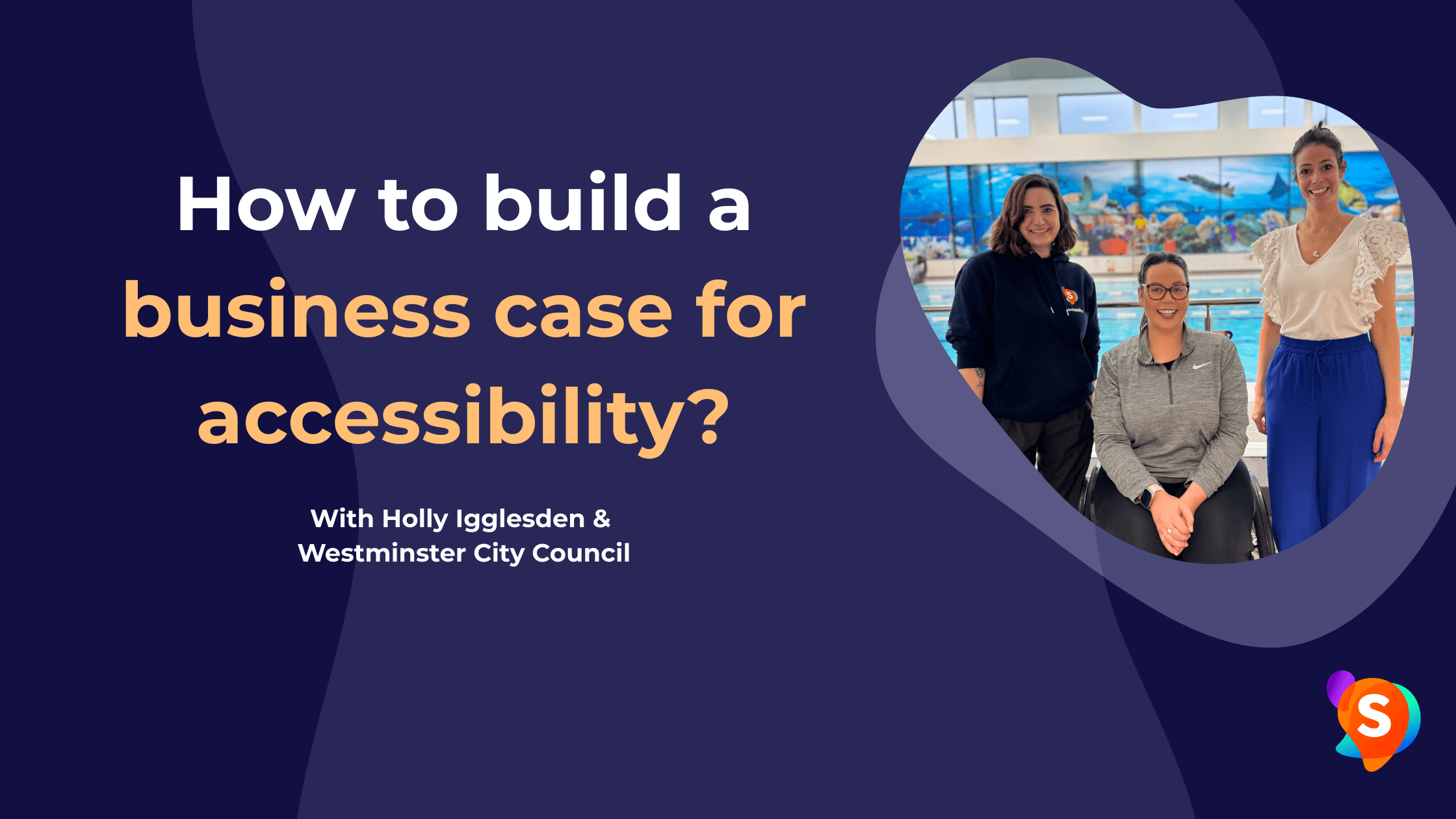
Research shows that businesses that lead on disability inclusion see 1.6 times more revenue than those that do not. Read our guide on how to build a business case for accessibility to learn more.
2. What is the most common accessibility mistake?
Tying up the red emergency cord in the bathroom! It might seem like it is "in the way" while cleaning, but if it doesn't reach the floor, it is useless to someone who has fallen and needs help.
3. How does the Sociability app help my venue?
We map the specific factors for accessibility that users actually care about. By listing your venue on the app, you are showing the community that you are transparent, welcoming, and committed to inclusion.
We would love to hear your thoughts on this post.
Planning a trip? Download the Sociability app to find accessible cafés, bars, and restaurants that meet your specific needs in seconds. You can also join our community and follow us on Instagram for the latest inclusive spots!
To take your advocacy further, sign up for our free newsletter, Beyond Compliance. We provide practical tips to help you champion accessibility in your workplace and everyday life. We look forward to seeing you there!
Sociability
Sociability is a disability-led social enterprise dedicated to making the world more accessible through accurate, verified data. Our team combines lived experience with technical expertise to help individuals and organisations navigate and improve accessibility information across the UK.